shineandshape
Introduction
Have you ever stood in front of your closet, staring at dozens of clothing options, yet feeling like nothing works together?
You’re not alone.
For many people, choosing the right colors feels more difficult than choosing the clothes themselves. One shirt seems too bright, another feels too dull, and somehow the entire outfit ends up looking unbalanced. The good news is that mastering color coordination doesn’t require a fashion degree or a designer wardrobe.
In fact, one of the simplest and most effective styling strategies is the three-tone outfit rule.
Think of it as building a successful team. One player leads, another supports, and a third adds energy. Together, they create balance and harmony. The same principle applies to clothing colors.
In this guide, you’ll learn how to master three-tone outfits quickly, confidently, and consistently.
Why Color Coordination Matters in Fashion
Color is often the first thing people notice about an outfit.
Before someone recognizes the brand of your jacket or the quality of your shoes, they subconsciously process color combinations.
The Psychology of Color
Colors communicate messages without words.
Navy suggests reliability.
White symbolizes cleanliness.
Green often reflects balance and freshness.
Red conveys confidence and energy.
Understanding these subtle signals helps create outfits that support the image you want to project.
First Impressions and Style
Research consistently shows that first impressions form within seconds.
Your color choices act like the opening sentence of a conversation. They set the tone before you even speak.
Understanding the Three-Tone Outfit Rule
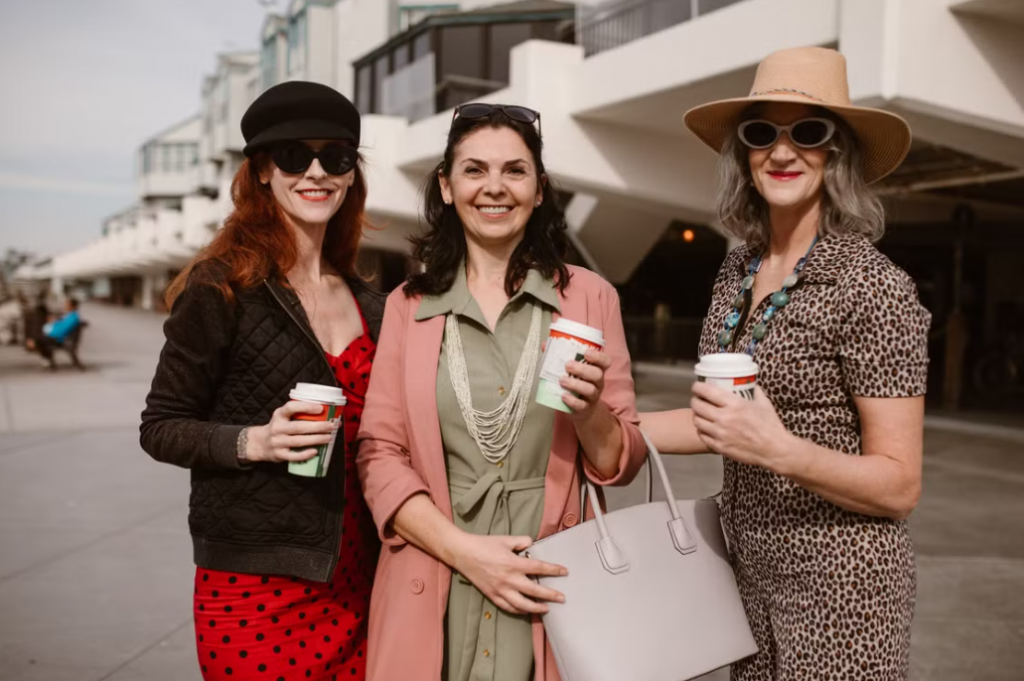
The three-tone outfit rule simplifies color coordination by limiting your outfit to three primary colors.
This approach creates structure while maintaining visual interest.
What Is a Three-Tone Outfit?
A three-tone outfit combines:
- One dominant color.
- One supporting color.
- One accent color.
Each serves a distinct purpose.
Primary Color
The primary color occupies most of the outfit.
Examples include:
- Navy
- Black
- Beige
- Gray
- White
This color acts as the foundation.
Secondary Color
The secondary color complements the primary color.
It adds depth without overwhelming the overall look.
Accent Color
The accent color is the finishing touch.
Think of it as the spice in a recipe. A little goes a long way.
Why Three-Tone Outfits Work So Well
Many fashion mistakes happen because too many colors compete for attention.
Three-tone outfits eliminate that problem.
Instead of chaos, they create order.
Instead of confusion, they create harmony.
The result is an outfit that feels intentional and polished.
The Science Behind Balanced Color Combinations
Successful styling isn’t purely artistic.
There’s logic behind it.
Contrast and Harmony
The human eye naturally seeks balance.
Too little contrast creates boredom.
Too much contrast creates visual tension.
Three-tone combinations strike the ideal middle ground.
Visual Proportion
A common styling principle is the 60-30-10 rule:
- 60% primary color
- 30% secondary color
- 10% accent color
This distribution keeps outfits visually balanced.
Choosing Your Base Color
Every successful three-tone outfit starts with a strong foundation.
Neutral Foundations
Neutral colors offer maximum flexibility.
Popular options include:
- Black
- White
- Navy
- Gray
- Beige
- Olive
These shades pair effortlessly with countless color combinations.
Seasonal Color Choices
Season can influence your color selections.
Spring and summer often favor lighter tones.
Fall and winter typically embrace richer, deeper colors.
However, personal preference should always take priority.
Selecting the Second Color
The second color provides support without stealing attention.
For example:
- Navy + Light Blue
- Beige + Brown
- Gray + White
- Olive + Khaki
These combinations feel natural because they share visual harmony.
A good supporting color behaves like a reliable teammate rather than a spotlight seeker.
Adding the Perfect Accent Color
Accent colors create personality.
Without them, an outfit can feel incomplete.
Popular accent choices include:
- Burgundy
- Mustard Yellow
- Emerald Green
- Burnt Orange
- Deep Red
Accessories often provide the easiest opportunity to introduce accent colors.
Easy Three-Tone Outfit Formulas
Need practical examples?
Start here.
Casual Outfits
Combination:
- White T-shirt
- Navy shorts
- Tan sneakers
Simple. Clean. Effective.
Business Casual Looks
Combination:
- Navy blazer
- White shirt
- Brown loafers
Professional without feeling overly formal.
Summer Styling
Combination:
- Beige linen shirt
- White shorts
- Light blue accessories
Perfect for warm-weather environments.
Fall and Winter Combinations
Combination:
- Charcoal coat
- Camel sweater
- Burgundy scarf
Rich colors create seasonal sophistication.
Common Color Matching Mistakes
Even stylish people make mistakes.
Common errors include:
- Using too many bright colors.
- Ignoring color balance.
- Overusing accent shades.
- Combining unrelated tones.
- Forgetting footwear coordination.
Think of colors like musical instruments. If every instrument plays a solo simultaneously, the result becomes noise.
Accessories and Color Balance
Accessories play a crucial role in three-tone styling.
Examples include:
- Watches
- Belts
- Shoes
- Handbags
- Scarves
- Sunglasses
Small details often create the strongest visual impact.
Strategic accents can elevate even the simplest outfit.
Building a Versatile Color Palette
A well-planned wardrobe simplifies daily decisions.
Consider building around these essentials:
Foundation Colors
- Black
- Navy
- White
- Gray
Supporting Colors
- Olive
- Camel
- Brown
- Light Blue
Accent Colors
- Burgundy
- Mustard
- Emerald
- Rust
This structure creates hundreds of potential combinations.
Three-Tone Outfits for Different Occasions
Different environments call for different levels of contrast.
Work Settings
Choose restrained combinations with subtle accents.
Social Events
Introduce bolder accent colors.
Travel Outfits
Focus on versatile tones that mix easily.
Date Nights
Use richer accent colors to create visual interest and confidence.
Developing Long-Term Color Confidence
Confidence doesn’t come from memorizing fashion rules.
It comes from practice.
Start small.
Experiment with one new combination at a time.
Take photos.
Observe what works.
Refine your preferences.
Over time, color coordination becomes instinctive rather than stressful.
The goal isn’t perfection.
The goal is consistency.
Conclusion
Mastering three-tone outfits is one of the fastest ways to improve your personal style. By combining a dominant color, a supporting shade, and a carefully chosen accent, you can create outfits that look balanced, sophisticated, and intentional.
The beauty of this approach lies in its simplicity. Instead of feeling overwhelmed by endless possibilities, you gain a clear framework for making confident decisions. Whether you’re dressing for work, travel, social events, or everyday life, the three-tone rule offers a reliable path to stylish results.
Fashion doesn’t have to be complicated. Sometimes, confidence begins with just three colors working together in harmony.