shineandshape
Introduction
Fashion moves quickly. Every season introduces new colors, silhouettes, and must-have trends that tempt us to replace perfectly wearable clothing with something new. As a result, many closets become crowded with forgotten shirts, faded jeans, jackets we rarely wear, and dresses that no longer feel exciting. But what if the secret to a fresh wardrobe isn’t buying more clothes—it’s rediscovering the ones you already own?
This is where clothing upcycling comes in. Upcycling is the creative process of transforming existing garments into something more stylish, functional, or valuable without breaking them down into raw materials. It’s an approach that saves money, reduces textile waste, and encourages personal creativity. Instead of treating old clothing as outdated, upcycling invites us to see hidden potential.
In this guide, we’ll explore practical ways to refresh your wardrobe, breathe new life into forgotten pieces, and build a more sustainable relationship with fashion—all while expressing your own unique style.
What Is Clothing Upcycling?
Upcycling vs. Recycling
Although the terms are often used interchangeably, upcycling and recycling are fundamentally different.
Recycling typically involves breaking down materials so they can be manufactured into new products. Upcycling, on the other hand, preserves the original garment while enhancing its appearance, function, or value through creative modifications.
Think of recycling as melting down an old metal chair to create a new one. Upcycling is more like repainting and redesigning the chair so it becomes even more beautiful than before.
Why Upcycling Is More Than a Trend
Upcycling has evolved from a niche DIY hobby into a global movement driven by environmental awareness and conscious consumerism.
As concerns about fast fashion continue to grow, more people are recognizing that extending the life of clothing is one of the simplest ways to reduce waste and minimize environmental impact.
Beyond sustainability, upcycling also allows individuals to create one-of-a-kind pieces that reflect their personality rather than following mass-produced trends.
Benefits of Refreshing Your Existing Wardrobe
Saving Money Without Sacrificing Style
Refreshing old clothing is often far more affordable than purchasing an entirely new wardrobe.
Simple alterations—such as replacing buttons, shortening hems, or adding decorative details—can dramatically change the appearance of a garment at a fraction of the cost of buying something new.
Creativity often delivers better value than constant consumption.
Reducing Fashion Waste
The fashion industry generates millions of tons of textile waste each year.
By wearing clothing longer and updating existing garments, consumers reduce demand for new production while keeping usable items out of landfills.
Every garment reused represents one less item unnecessarily discarded.
Assessing Your Closet Before You Begin
Sorting by Condition
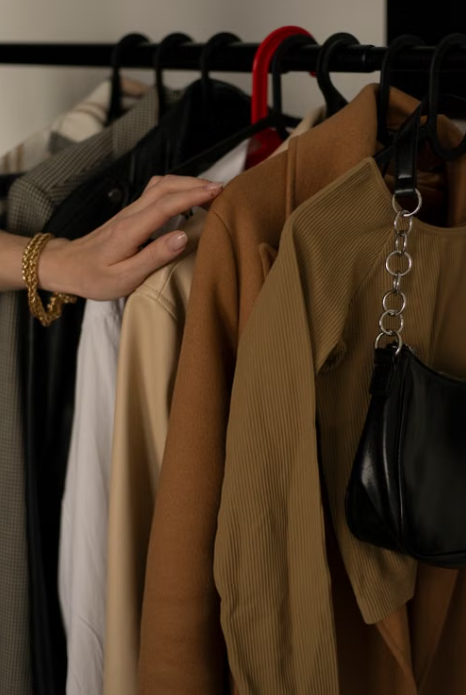
Before making any changes, take everything out of your closet.
Separate items into categories:
- Frequently worn favorites
- Clothing needing minor repairs
- Pieces suitable for upcycling
- Items ready for donation
- Garments beyond repair
This process creates a clear understanding of what you already own.
Identifying Pieces with Potential
Not every garment deserves a second life, but many do.
Look for items with:
- Quality fabric
- Classic silhouettes
- Minor cosmetic flaws
- Neutral colors
- Comfortable fit
These pieces often offer the greatest upcycling opportunities.
Keeping Timeless Basics
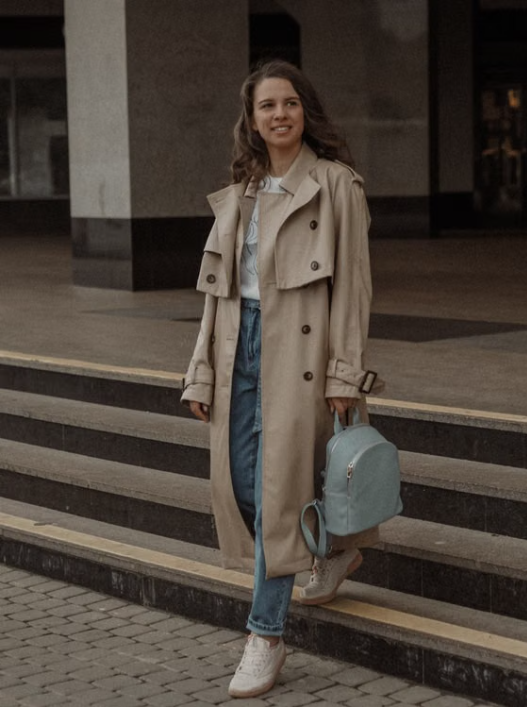
White shirts, denim jackets, black trousers, and classic jeans rarely go out of style.
Rather than replacing these essentials, consider refreshing them with subtle updates.
Letting Go of Unusable Items
Some clothing simply cannot be repaired effectively.
Garments with severe structural damage or worn-out fabric may be better recycled through textile collection programs.
Knowing when to let go is just as important as knowing what to keep.
Easy DIY Clothing Transformations
Dyeing Faded Garments
Color fading doesn’t always mean a garment has reached the end of its life.
Fabric dye can restore rich color or completely transform a piece into something entirely different.
Black dye often revitalizes faded denim, while earth tones create modern, sophisticated looks.
Cropping and Hemming
Small adjustments create dramatic changes.
Oversized shirts become trendy cropped tops.
Long jeans transform into stylish shorts.
Wide-leg trousers become tailored ankle-length pants.
Simple tailoring modernizes older clothing with surprisingly little effort.
Adding Embroidery or Patches
Decorative embroidery introduces personality without overwhelming a garment.
Patches can cover stains or small tears while simultaneously creating intentional design features.
Imperfections become opportunities rather than problems.
Reinventing Accessories
Updating Shoes and Sneakers
Footwear often benefits from surprisingly simple improvements.
Replacing worn shoelaces, cleaning leather thoroughly, repainting rubber soles, or adding decorative accessories can make older shoes appear almost new.
Maintenance often delivers more impact than replacement.
Transforming Scarves, Belts, and Bags
Accessories provide endless creative possibilities.
A silk scarf becomes a handbag accessory or hair tie.
Vintage belts define oversized dresses.
Older handbags gain fresh life with new straps or decorative charms.
Small details frequently produce the greatest visual impact.
Styling Old Clothes in New Ways
Layering Techniques
Sometimes clothing doesn’t need alteration—it simply needs different styling.
Layering lightweight shirts beneath sweaters, jackets over dresses, or vests over simple T-shirts creates fresh outfit combinations from familiar pieces.
Fashion often rewards experimentation.
Mixing Casual and Formal Pieces
Combining contrasting styles adds visual interest.
Pair tailored blazers with jeans.
Wear sneakers alongside structured trousers.
Style elegant shirts with relaxed shorts.
Unexpected combinations often create the most memorable outfits.
Sustainable Shopping Habits
Buying Quality Over Quantity
The most sustainable purchase is often the one you don’t need to replace.
Well-made garments constructed from durable fabrics last longer, fit better, and maintain their appearance through repeated wear.
Quality reduces long-term costs.
Building a Capsule Wardrobe
A capsule wardrobe focuses on versatile essentials that coordinate effortlessly.
Core pieces typically include:
- White shirt
- Black trousers
- Well-fitted jeans
- Neutral blazer
- Basic T-shirts
- Comfortable sneakers
- Timeless outerwear
Fewer, better garments simplify daily dressing while reducing unnecessary purchases.
Common Upcycling Mistakes to Avoid
While upcycling encourages creativity, several mistakes can limit success:
- Altering expensive garments without proper planning.
- Using inappropriate fabric dyes.
- Ignoring garment care instructions.
- Overdecorating simple clothing.
- Buying supplies that cost more than replacing the garment.
- Following short-lived fashion trends instead of personal style.
Successful upcycling emphasizes thoughtful improvement rather than unnecessary complexity.
Conclusion
Upcycling transforms the way we think about clothing. Instead of viewing our wardrobes as collections of disposable items, we begin to see them as evolving resources filled with untapped potential. Through simple alterations, creative styling, thoughtful repairs, and sustainable shopping habits, old garments can become fresh, fashionable, and uniquely personal once again.
Perhaps the greatest benefit of upcycling is that it shifts fashion from passive consumption to active creativity. Rather than chasing every new trend, we learn to appreciate craftsmanship, value quality, and express individuality through the clothes we already own. In doing so, we not only reduce waste and save money but also build a wardrobe that tells a more authentic story—one shaped by creativity, intention, and lasting style.