shineandshape
Fashion is often described as a language without words. Before you speak, your appearance has already introduced you to the world. Yet, while clothing usually receives the spotlight, accessories are the hidden architects of personal style. They are the punctuation marks of fashion—the subtle details that can completely change the meaning of an outfit.
Think about it. A plain black dress can look corporate with a structured watch, artistic with oversized earrings, or effortlessly chic with layered gold necklaces. The clothing remains the same, but the story changes entirely.
In today’s fashion landscape, accessories are no longer optional extras. They are strategic style tools. From jewelry and handbags to sunglasses and scarves, these small additions create visual depth, emotional expression, and even social influence. The smallest details often leave the biggest impression.
This article explores how accessories shape identity, elevate style, and redefine modern fashion culture.
Why Accessories Matter More Than Ever
Fashion has evolved dramatically over the last decade. Minimalism, capsule wardrobes, and sustainability have shifted attention away from excessive clothing consumption and toward smarter styling choices.
Accessories now carry more weight because people want versatility without overcrowding their closets.
The Rise of Detail-Oriented Fashion
Modern consumers are becoming increasingly detail-conscious. Social media platforms like Instagram, TikTok, and Pinterest have trained audiences to notice finer aspects of styling.
Today, fashion is not only about what you wear—it is about how you wear it.
A simple white shirt paired with the right accessories can appear luxurious and intentional. Without accessories, however, the same outfit may feel incomplete or forgettable.
Accessories act like seasoning in cooking. The meal may already exist, but the right seasoning transforms it into something memorable.
Accessories as Visual Storytelling
Accessories communicate personality faster than most clothing items.
A leather briefcase may suggest professionalism. Layered silver rings can imply creativity or rebellion. Pearl earrings often communicate elegance and refinement.
These details function as visual shorthand. They quietly reveal aspects of identity, lifestyle, taste, and even ambition.
In many ways, accessories are wearable autobiography.
The Psychology Behind Accessories
Fashion psychology plays a significant role in how accessories influence perception.
People do not merely observe accessories—they interpret them emotionally and socially.
Confidence and Self-Expression
Accessories often serve as confidence amplifiers.
Wearing a statement watch or a favorite necklace can create a psychological boost similar to armor before battle. Suddenly, posture improves, confidence increases, and self-awareness sharpens.
Why does this happen?
Because accessories create intentionality. They signal effort and control. Even subtle details can make people feel more polished and prepared.
Style is not always about impressing others. Sometimes it is about reminding yourself who you are.
The Power of First Impressions
Studies consistently show that first impressions form within seconds. During that brief moment, accessories contribute heavily to visual judgment.
People notice:
- Shoes
- Watches
- Bags
- Eyewear
- Jewelry
These elements often communicate status, organization, creativity, or professionalism before any conversation begins.
A carefully chosen accessory can function like a handshake—it establishes tone instantly.
Essential Accessories That Elevate Any Outfit
Not all accessories serve the same purpose. Some create elegance, while others add practicality or edge.
Understanding their functions helps build a more intentional wardrobe.
Jewelry and Minimalist Elegance
Jewelry remains one of the most powerful styling tools.
Minimalist jewelry, in particular, has gained popularity because it enhances outfits without overwhelming them.
Popular options include:
- Thin gold chains
- Stackable rings
- Small hoop earrings
- Delicate bracelets
These pieces create sophistication through restraint.
Interestingly, minimalist jewelry works because it whispers rather than shouts. In fashion, subtlety often appears more expensive than excess.
Bags as Functional Fashion Statements
Bags occupy a unique space between utility and aesthetics.
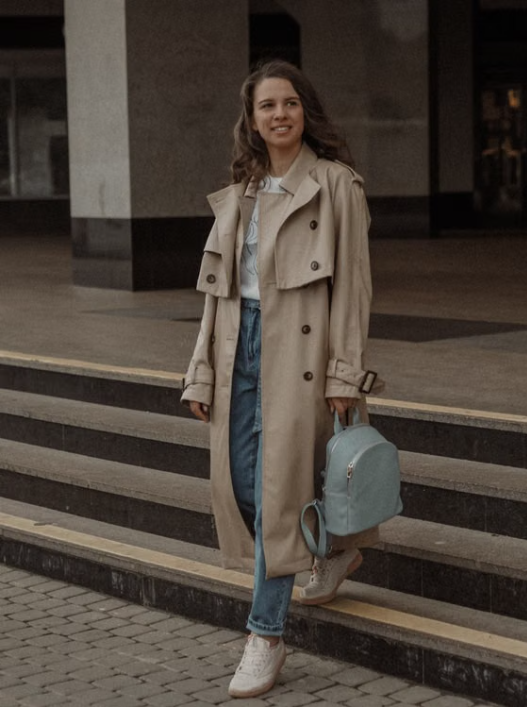
A structured tote can create a polished, executive appearance. A crossbody bag communicates casual efficiency. A luxury handbag may symbolize aspiration or status.
However, functionality matters just as much as appearance.
The best bags solve problems while enhancing style simultaneously. That balance explains why handbags remain one of the strongest segments in global fashion markets.
Watches and Timeless Sophistication
Despite smartphones dominating modern life, watches continue to thrive.
Why?
Because watches symbolize discipline, maturity, and timeless sophistication.
Unlike fast-changing trends, watches often represent permanence. They are emotional objects passed between generations, carrying both style and sentimental value.
A watch is not merely about telling time. It reflects how someone values time.
The Role of Color and Texture in Accessories
Accessories influence not only style but also visual balance.
Color and texture determine whether an outfit feels harmonious or chaotic.
Balancing Bold and Neutral Pieces
One common styling strategy involves pairing neutral outfits with bold accessories.
For example:
- Black clothing with a red handbag
- White outfits with gold jewelry
- Beige tones with emerald earrings
This contrast creates focal points without overwhelming the eye.
On the other hand, monochromatic styling creates elegance through consistency. Matching similar tones often produces a luxurious appearance because the outfit feels cohesive.
Common Styling Mistakes to Avoid
Many people misunderstand accessories and accidentally over-style their outfits.
Common mistakes include:
- Wearing too many statement pieces simultaneously
- Mixing clashing metals excessively
- Ignoring proportion and scale
- Choosing accessories that compete instead of complement
Accessories should enhance the outfit, not dominate it.
Think of them like supporting actors in a film. They should strengthen the main character—not distract from it.
Seasonal Accessory Trends
Accessories evolve with seasons just as clothing does.
Different materials, colors, and textures create seasonal relevance.
Spring and Summer Styling
Warm-weather accessories tend to emphasize lightness and vibrancy.
Popular choices include:
- Straw hats
- Colorful sunglasses
- Canvas bags
- Shell jewelry
- Lightweight scarves
These accessories create freshness and movement, reflecting the energy of brighter seasons.
Autumn and Winter Styling
Cold-weather accessories prioritize warmth and texture.
Common winter staples include:
- Leather gloves
- Wool scarves
- Structured boots
- Dark-toned handbags
- Metallic jewelry
Layered textures create visual richness during colder months.
Winter fashion often resembles architecture—structured, layered, and dimensional.
Accessories in Professional Fashion
Professional environments demand strategic styling.
Accessories can strengthen authority without appearing excessive.
Office-Friendly Accessories
In professional settings, less is usually more.
Elegant office accessories include:
- Simple watches
- Structured bags
- Small earrings
- Neutral belts
- Minimal necklaces
These details communicate organization and professionalism.
The goal is refinement, not distraction.
Accessories for Business Networking
Networking environments involve subtle psychological signaling.
Well-chosen accessories can create memorability during meetings and events.
For instance:
- A distinctive watch may spark conversation
- Elegant cufflinks can signal attention to detail
- Refined eyewear often enhances intellectual perception
Small details frequently shape lasting impressions in professional circles.
Gender-Neutral Accessory Trends
Fashion is becoming increasingly inclusive, and accessories are leading this transformation.
Many modern accessories now transcend traditional gender boundaries.
Examples include:
- Chunky silver chains
- Leather tote bags
- Minimal rings
- Oversized scarves
- Neutral sunglasses
This shift reflects broader cultural changes toward self-expression and individuality.
Fashion today is less about rules and more about authenticity.
Sustainable and Ethical Accessories
Consumers are becoming more conscious of environmental and ethical issues within fashion.
Accessories are part of this conversation.
Quality Over Quantity
Fast fashion encourages disposable consumption. However, timeless accessories encourage longevity.
Investing in fewer, higher-quality pieces often provides:
- Better durability
- Lower long-term cost
- Reduced environmental impact
- Greater wardrobe flexibility
A well-crafted leather bag or classic watch can remain stylish for decades.
Trend-driven items fade quickly. Timeless accessories evolve with you.
Social Media and the Accessory Boom
Social media has dramatically accelerated accessory trends.
Influencers frequently use accessories to create instantly recognizable aesthetics.
Why are accessories so effective online?
Because they photograph well.
A handbag, necklace, or pair of sunglasses can create visual identity in a single image. Accessories help influencers establish signature looks that audiences immediately recognize.
Digital culture has turned accessories into branding tools.
Building a Personal Signature Style
The most stylish people are not necessarily those with the largest wardrobes. Often, they simply understand consistency.
Accessories help create signature style.
Consider iconic fashion figures. Many are remembered for recurring details:
- Signature sunglasses
- Layered necklaces
- Bold hats
- Distinctive watches
- Statement bags
These repeated elements create familiarity and identity.
Personal style is not built overnight. It develops through experimentation, repetition, and self-awareness.
Accessories become visual fingerprints.
Conclusion
Accessories may appear small, but their influence on personal style is enormous. They shape perception, communicate personality, and elevate even the simplest outfits into intentional fashion statements.
In a world increasingly driven by visual culture, details matter more than ever. Accessories allow individuals to express identity without speaking, balancing practicality with creativity in powerful ways.
The true power of accessories lies not in their price tags but in their purpose. A thoughtfully chosen watch, ring, scarf, or bag can transform confidence, refine presentation, and strengthen personal branding.
Fashion begins with clothing, but style is completed through details. And often, the smallest details leave the deepest impression.
FAQs
1. Why are accessories important in fashion?
Accessories enhance outfits, express personality, and create visual balance. They help transform basic clothing into complete, intentional looks.
2. How can I accessorize without overdoing it?
Focus on balance. Choose one or two statement pieces and keep the rest minimal to maintain harmony.
3. What are the most timeless accessories to invest in?
Classic watches, leather bags, minimalist jewelry, and neutral sunglasses remain stylish across decades.
4. Are accessories necessary for professional outfits?
Yes. Subtle accessories can strengthen professionalism, confidence, and polished appearance in workplace settings.
5. How do accessories help create personal style?
Accessories add individuality and consistency, allowing people to build recognizable and memorable fashion identities.