shineandshape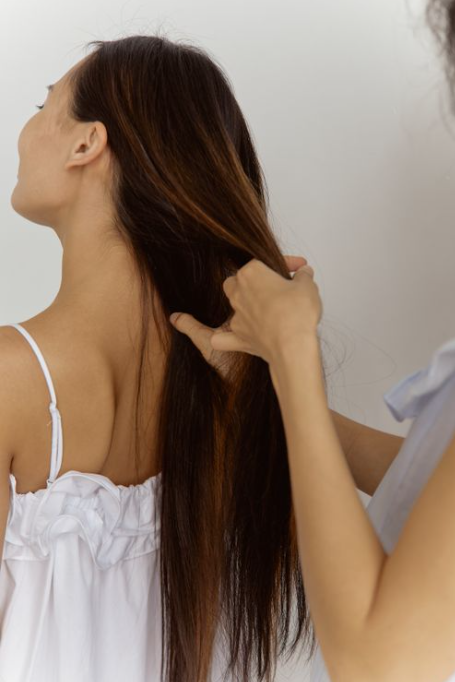
Introduction
Have you ever looked in the mirror and wondered why your hair suddenly feels rough, dry, or impossible to manage? You’re not alone. Hair damage affects millions of people, regardless of age, gender, or hair type.
The beauty industry often convinces us that repairing damaged hair requires expensive treatments, professional-grade devices, or a cabinet full of luxury products. But is that really true?
Not necessarily.
In reality, many common hair problems can be improved—or even prevented—using simple techniques, consistent habits, and ingredients you may already have at home. Think of hair recovery like restoring a garden. You don’t always need expensive equipment. Sometimes, proper care, patience, and the right environment are enough to bring things back to life.
In this guide, we’ll explore practical ways to rescue damaged hair without relying on fancy tools.
Understanding Hair Damage
What Causes Hair Damage?
Hair damage rarely happens overnight. Instead, it’s often the result of repeated stress over time.
Common causes include:
- Excessive heat styling
- Chemical treatments
- Overwashing
- Sun exposure
- Poor nutrition
- Tight hairstyles
- Environmental pollution
Each factor slowly weakens the hair structure until visible damage appears.
Signs Your Hair Needs Rescue
How can you tell if your hair is damaged?
Watch for these warning signs:
- Increased breakage
- Split ends
- Dull appearance
- Excessive tangling
- Persistent frizz
- Lack of elasticity
Healthy hair bends. Damaged hair breaks.
Why Expensive Tools Aren’t Always the Answer
Marketing often portrays high-tech beauty devices as miracle solutions.
However, many hair issues stem from habits rather than equipment.
Imagine trying to fix a leaking roof by buying expensive furniture. The furniture isn’t the problem. Similarly, buying another styling tool won’t help if daily routines continue damaging your hair.
Consistency usually beats complexity.
The Science Behind Healthy Hair
Understanding hair structure helps explain why certain remedies work.
Hair Structure Explained
Hair consists of multiple layers that work together to maintain strength and flexibility.
The Cuticle Layer
The cuticle is the outer protective shield.
When healthy, it lies flat and reflects light, creating shine.
When damaged, it becomes rough and uneven, leading to frizz and dullness.
The Cortex Layer
The cortex forms the core of the hair strand.
It provides strength, elasticity, and shape.
Most serious hair damage occurs within this layer.
Common Types of Hair Damage
Dry and Brittle Hair
Dry hair lacks sufficient moisture and natural oils.
It often feels rough and may snap easily during brushing.
Split Ends
Split ends occur when the protective cuticle wears away, causing strands to separate.
Unfortunately, split ends cannot be permanently repaired.
Trimming remains the most effective solution.
Frizz and Flyaways
Frizz develops when hair absorbs moisture unevenly from the environment.
Damaged cuticles make this problem worse.
Heat Damage
Frequent use of flat irons, curling wands, and blow dryers can weaken protein bonds inside the hair.
The result?
Hair that feels lifeless and struggles to hold its natural shape.
Hair Rescue Strategies Without Fancy Tools
The good news is that recovery doesn’t require a professional salon budget.
Gentle Washing Techniques
Many people wash their hair too aggressively.
Instead:
- Use lukewarm water.
- Massage the scalp gently.
- Avoid scrubbing the lengths.
- Focus shampoo primarily on the scalp.
Your scalp needs cleansing. Your ends need protection.
Smart Conditioning Habits
Conditioner acts like a protective coat for your hair.
Apply it mainly to the mid-lengths and ends.
Leave it on for several minutes before rinsing.
Small adjustments often create noticeable improvements.
Air-Drying Benefits
Heat is one of hair’s biggest enemies.
Whenever possible, allow hair to air dry naturally.
Think of it as giving your hair a vacation from daily stress.
Protective Hairstyles
Loose braids, buns, and twists reduce friction and mechanical damage.
Protective styles act like armor, shielding strands from unnecessary wear and tear.
Kitchen Ingredients That Help Hair Recovery
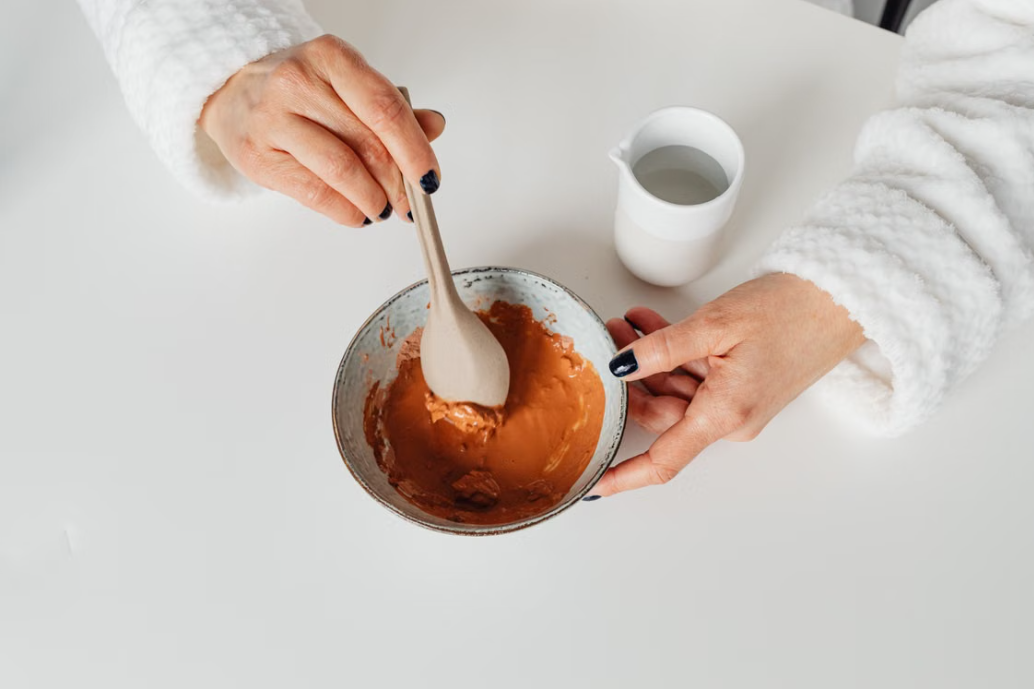
Nature offers several simple ingredients that may support healthier-looking hair.
Coconut Oil
Coconut oil is popular because it penetrates the hair shaft more effectively than many other oils.
A small amount applied before washing may help reduce protein loss.
Aloe Vera
Aloe vera provides soothing hydration for both scalp and hair.
Its lightweight texture makes it suitable for various hair types.
Honey Treatments
Honey acts as a natural humectant.
In simple terms, it helps attract and retain moisture.
When combined with conditioner, it may improve softness and manageability.
Daily Habits That Strengthen Hair
Hair health starts long before you enter the bathroom.
Nutrition and Hydration
Your hair reflects what happens inside your body.
Important nutrients include:
- Protein
- Iron
- Zinc
- Biotin
- Omega-3 fatty acids
And don’t forget water.
A dehydrated body often contributes to dry hair.
Scalp Care Essentials
Healthy hair grows from a healthy scalp.
Simple scalp massages may improve circulation and support overall scalp health.
Think of the scalp as soil and hair as the plant growing from it.
Mistakes That Make Hair Damage Worse
Even with good intentions, many people unknowingly worsen existing damage.
Common mistakes include:
- Brushing wet hair aggressively
- Using excessively hot water
- Skipping conditioner
- Tight ponytails
- Frequent coloring
- Overusing dry shampoo
Avoiding these habits can accelerate recovery significantly.
Creating a Simple Hair Recovery Routine
You don’t need a complicated 20-step routine.
A practical approach might include:
- Gentle cleansing two to three times weekly.
- Regular conditioning.
- Weekly deep-moisture treatment.
- Minimal heat exposure.
- Protective styling when necessary.
Simple routines are easier to maintain and often produce better long-term results.
Long-Term Hair Protection Tips
Hair recovery is only half the battle.
Preventing future damage matters just as much.
Key strategies include:
- Sleeping on smooth pillowcases.
- Wearing hats in strong sunlight.
- Trimming split ends regularly.
- Avoiding unnecessary chemical treatments.
- Being gentle during detangling.
Hair health is a marathon, not a sprint.
Conclusion
Repairing damaged hair doesn’t require expensive gadgets or salon-exclusive technology. More often than not, healthier hair comes from understanding the causes of damage, adopting gentler habits, and maintaining consistency.
By focusing on proper cleansing, smart conditioning, protective styling, balanced nutrition, and simple natural remedies, you can significantly improve your hair’s appearance and resilience over time.
Remember, hair recovery is like rebuilding a house brick by brick. Progress may seem slow at first, but every healthy habit strengthens the foundation. Stay patient, stay consistent, and your hair will thank you.