shineandshape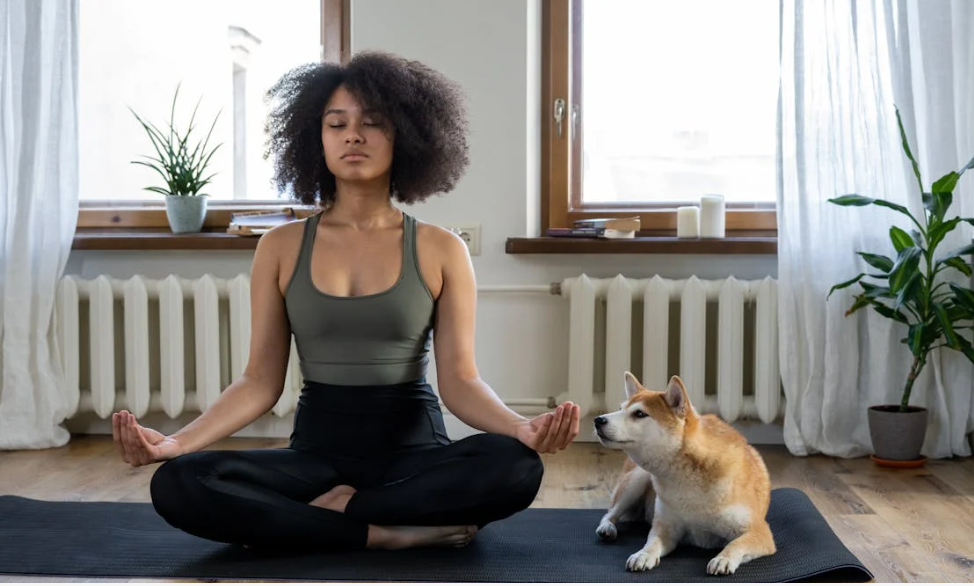
Mindfulness Practices That Will Improve Your Mental Health
Introduction to Mindfulness
In a world where multitasking is the norm and screens dominate our attention, finding a moment of peace feels almost revolutionary. That’s where mindfulness comes in—like a breath of fresh air for your mental health. But what exactly is mindfulness? And how can it improve the way you feel, think, and live?
What is Mindfulness?
Mindfulness is the practice of being fully present in the moment—aware of where you are and what you’re doing without being overly reactive or overwhelmed. Imagine your mind as a cluttered room; mindfulness helps you declutter, sort, and breathe again.
Why Is Mindfulness Important for Mental Health?
Mental health is more than the absence of illness—it’s emotional, psychological, and social well-being. Mindfulness supports all three pillars by increasing awareness, reducing emotional reactivity, and strengthening focus.
Core Benefits of Mindfulness for Mental Health
So, why does mindfulness matter so much? Let’s dig into its mental health benefits.
Reducing Stress and Anxiety
When you’re mindful, you’re not fixated on the past or fretting over the future. You’re here, and that’s powerful. Studies show mindfulness lowers cortisol levels—the stress hormone—leading to reduced anxiety and better stress management.
Enhancing Emotional Regulation
Ever snap without knowing why? Mindfulness gives you the space between stimulus and response. That pause lets you choose your reaction instead of defaulting to emotional outbursts.
Improving Focus and Clarity
A racing mind can’t concentrate. Practicing mindfulness helps you become laser-focused, filtering out distractions and sharpening your decision-making.
Building Resilience and Self-Awareness
Life throws curveballs, and resilience is how we catch them. Mindfulness boosts emotional resilience by helping you observe challenges objectively and respond wisely. You also develop deeper self-awareness—your habits, your patterns, your triggers.
Foundational Mindfulness Techniques
You don’t need a yoga mat or incense to be mindful. These simple techniques work wonders.
Breathing Exercises
Start with your breath. Try the 4-7-8 method—inhale for 4 seconds, hold for 7, exhale for 8. You’ll feel calmer almost instantly.
Body Scan Meditation
Lie down, close your eyes, and mentally scan your body from head to toe. It’s like checking in with every part of yourself. Tension melts when you give it attention.
Loving-Kindness Meditation (Metta)
Wish yourself and others well with this heartwarming practice. Repeat: “May I be happy. May I be safe. May I live with ease.” Then extend it to others—even people you dislike.
Walking Meditation
Take a walk, but ditch your phone. Focus on each step, how your feet feel, the sounds around you. It turns even a quick stroll into a sacred ritual.
Integrating Mindfulness Into Daily Life
You don’t have to set aside 30 minutes each day. Sprinkle mindfulness into your routine like seasoning.
Mindful Eating
Stop inhaling meals in front of the TV. Take a bite, chew slowly, notice the flavors and textures. It turns eating into a nourishing experience.
Mindful Listening
Really listen when someone speaks—don’t just wait your turn to talk. Tune in to their tone, words, and emotions.
Digital Detoxing for Presence
Too much screen time fragments your focus. Try setting “no phone” hours or using grayscale mode to curb endless scrolling.
Mindfulness at Work and School
Deadlines and exams don’t mix well with anxiety. Mindfulness can help.
Creating Intentional Pauses
Before replying to that email or diving into a task, pause. Take a breath. Reset. It makes your actions more thoughtful and less reactive.
Using Mindfulness to Navigate Conflict
Disagreements are inevitable. Mindfulness helps you stay grounded, communicate clearly, and listen actively—even when emotions run high.
Mindfulness and Therapy
Mindfulness isn’t just trendy—it’s clinically effective.
CBT and Mindfulness-Based Cognitive Therapy (MBCT)
MBCT combines mindfulness with cognitive therapy to prevent depression relapses. It helps you recognize thought patterns and shift them.
Mindfulness in Trauma Recovery
For trauma survivors, mindfulness provides a gentle way to reconnect with the body and regain a sense of safety.
Common Challenges and How to Overcome Them
Let’s be real—mindfulness isn’t always easy. Here’s how to handle the hiccups.
“I Don’t Have Time” Syndrome
You don’t need an hour. Start with 1–3 minutes. Waiting in line? Stuck in traffic? Perfect time to breathe mindfully.
Getting Past the Discomfort of Stillness
Stillness can feel awkward at first. That’s okay. The discomfort means you’re noticing. Stick with it—it gets better.
Tools and Resources to Support Your Journey
You don’t have to go it alone.
Apps and Guided Meditations
Try apps like Headspace, Calm, or Insight Timer. They offer guided meditations for every level and goal.
Books and Podcasts
Books like “Wherever You Go, There You Are” by Jon Kabat-Zinn or podcasts like The Mindful Minute are gold mines for deeper learning.
Final Thoughts
Mindfulness isn’t a one-size-fits-all fix, but it is a powerful tool to navigate life with more calm, clarity, and compassion. Whether you’re dealing with anxiety, burnout, or just trying to be more present, these practices can genuinely transform how you experience each moment. Give it time, stay curious, and most importantly—be kind to yourself.
FAQs
What is the best time of day to practice mindfulness?
Morning sets the tone, but anytime you can be fully present is a good time.
Can mindfulness replace therapy?
It can complement therapy, but it shouldn’t replace professional help when needed.
How long does it take to see results?
Some people feel calmer after one session. But long-term change usually takes a few weeks of consistent practice.
Do I need to meditate to be mindful?
Nope. Mindfulness is a state of awareness—you can practice it while cooking, walking, or even brushing your teeth.
Is mindfulness suitable for children or teens?
Absolutely! In fact, starting young can help build emotional intelligence early on.Introduction to Mindfulness
In a world where multitasking is the norm and screens dominate our attention, finding a moment of peace feels almost revolutionary. That’s where mindfulness comes in—like a breath of fresh air for your mental health. But what exactly is mindfulness? And how can it improve the way you feel, think, and live?
What is Mindfulness?
Mindfulness is the practice of being fully present in the moment—aware of where you are and what you’re doing without being overly reactive or overwhelmed. Imagine your mind as a cluttered room; mindfulness helps you declutter, sort, and breathe again.
Why Is Mindfulness Important for Mental Health?
Mental health is more than the absence of illness—it’s emotional, psychological, and social well-being. Mindfulness supports all three pillars by increasing awareness, reducing emotional reactivity, and strengthening focus.
Core Benefits of Mindfulness for Mental Health
So, why does mindfulness matter so much? Let’s dig into its mental health benefits.
Reducing Stress and Anxiety
When you’re mindful, you’re not fixated on the past or fretting over the future. You’re here, and that’s powerful. Studies show mindfulness lowers cortisol levels—the stress hormone—leading to reduced anxiety and better stress management.
Enhancing Emotional Regulation
Ever snap without knowing why? Mindfulness gives you the space between stimulus and response. That pause lets you choose your reaction instead of defaulting to emotional outbursts.
Improving Focus and Clarity
A racing mind can’t concentrate. Practicing mindfulness helps you become laser-focused, filtering out distractions and sharpening your decision-making.
Building Resilience and Self-Awareness
Life throws curveballs, and resilience is how we catch them. Mindfulness boosts emotional resilience by helping you observe challenges objectively and respond wisely. You also develop deeper self-awareness—your habits, your patterns, your triggers.
Foundational Mindfulness Techniques
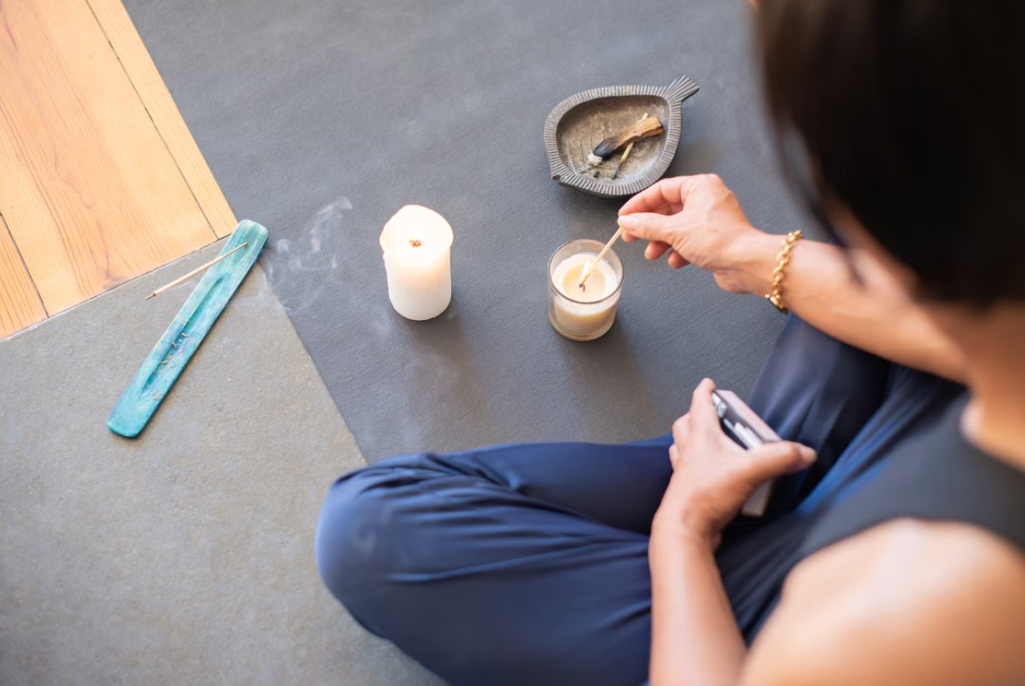
You don’t need a yoga mat or incense to be mindful. These simple techniques work wonders.
Breathing Exercises
Start with your breath. Try the 4-7-8 method—inhale for 4 seconds, hold for 7, exhale for 8. You’ll feel calmer almost instantly.
Body Scan Meditation
Lie down, close your eyes, and mentally scan your body from head to toe. It’s like checking in with every part of yourself. Tension melts when you give it attention.
Loving-Kindness Meditation (Metta)
Wish yourself and others well with this heartwarming practice. Repeat: “May I be happy. May I be safe. May I live with ease.” Then extend it to others—even people you dislike.
Walking Meditation
Take a walk, but ditch your phone. Focus on each step, how your feet feel, the sounds around you. It turns even a quick stroll into a sacred ritual.
Integrating Mindfulness Into Daily Life
You don’t have to set aside 30 minutes each day. Sprinkle mindfulness into your routine like seasoning.
Mindful Eating
Stop inhaling meals in front of the TV. Take a bite, chew slowly, notice the flavors and textures. It turns eating into a nourishing experience.
Mindful Listening
Really listen when someone speaks—don’t just wait your turn to talk. Tune in to their tone, words, and emotions.
Digital Detoxing for Presence
Too much screen time fragments your focus. Try setting “no phone” hours or using grayscale mode to curb endless scrolling.
Mindfulness at Work and School
Deadlines and exams don’t mix well with anxiety. Mindfulness can help.
Creating Intentional Pauses
Before replying to that email or diving into a task, pause. Take a breath. Reset. It makes your actions more thoughtful and less reactive.
Using Mindfulness to Navigate Conflict
Disagreements are inevitable. Mindfulness helps you stay grounded, communicate clearly, and listen actively—even when emotions run high.
Mindfulness and Therapy
Mindfulness isn’t just trendy—it’s clinically effective.
CBT and Mindfulness-Based Cognitive Therapy (MBCT)
MBCT combines mindfulness with cognitive therapy to prevent depression relapses. It helps you recognize thought patterns and shift them.
Mindfulness in Trauma Recovery
For trauma survivors, mindfulness provides a gentle way to reconnect with the body and regain a sense of safety.
Common Challenges and How to Overcome Them
Let’s be real—mindfulness isn’t always easy. Here’s how to handle the hiccups.
“I Don’t Have Time” Syndrome
You don’t need an hour. Start with 1–3 minutes. Waiting in line? Stuck in traffic? Perfect time to breathe mindfully.
Getting Past the Discomfort of Stillness
Stillness can feel awkward at first. That’s okay. The discomfort means you’re noticing. Stick with it—it gets better.
Tools and Resources to Support Your Journey
You don’t have to go it alone.
Apps and Guided Meditations
Try apps like Headspace, Calm, or Insight Timer. They offer guided meditations for every level and goal.
Books and Podcasts
Books like “Wherever You Go, There You Are” by Jon Kabat-Zinn or podcasts like The Mindful Minute are gold mines for deeper learning.
Final Thoughts
Mindfulness isn’t a one-size-fits-all fix, but it is a powerful tool to navigate life with more calm, clarity, and compassion. Whether you’re dealing with anxiety, burnout, or just trying to be more present, these practices can genuinely transform how you experience each moment. Give it time, stay curious, and most importantly—be kind to yourself.
FAQs
What is the best time of day to practice mindfulness?
Morning sets the tone, but anytime you can be fully present is a good time.
Can mindfulness replace therapy?
It can complement therapy, but it shouldn’t replace professional help when needed.
How long does it take to see results?
Some people feel calmer after one session. But long-term change usually takes a few weeks of consistent practice.
Do I need to meditate to be mindful?
Nope. Mindfulness is a state of awareness—you can practice it while cooking, walking, or even brushing your teeth.
Is mindfulness suitable for children or teens?
Absolutely! In fact, starting young can help build emotional intelligence early on.