shineandshape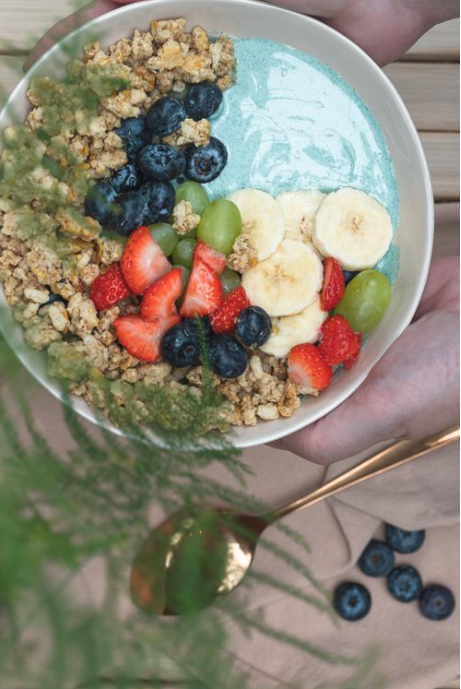
Have you ever started the morning feeling energized, only to find yourself struggling to stay awake by mid-afternoon? Or perhaps you’ve reached for another cup of coffee, hoping for a quick fix, only to crash a few hours later. If this sounds familiar, you’re not alone.
The truth is that energy isn’t just about how much sleep you get. It’s also about what you put on your plate. Food is more than nourishment—it is fuel. Just as a high-performance vehicle requires quality fuel to operate efficiently, your body depends on smart nutrition choices to sustain physical stamina, mental clarity, and emotional balance throughout the day.
The good news? You don’t need complicated diets or expensive supplements to maintain steady energy. By understanding how food affects your body, you can make simple changes that dramatically improve your productivity, focus, and overall well-being.
Let’s explore how energy-boosting meals can help you eat smart and feel strong all day.
Understanding the Connection Between Food and Energy
Every bite you eat sends signals throughout your body. Food influences blood sugar levels, hormone production, brain function, and metabolism.
In many ways, your meals act like software updates for your body. The quality of those updates determines how efficiently your system performs.
Why Energy Crashes Happen
Many people blame fatigue on busy schedules, but poor food choices often play a major role.
Energy crashes typically occur when blood sugar rises rapidly and then falls just as quickly. This commonly happens after consuming:
- Sugary drinks
- Pastries
- Candy
- White bread
- Highly processed snacks
The result is a short burst of energy followed by sluggishness, irritability, and difficulty concentrating.
It’s like lighting a fire with paper. It burns fast, but it doesn’t last.
The Difference Between Quick Energy and Lasting Energy
Quick energy comes from foods that digest rapidly. While they may provide temporary alertness, the effect is often short-lived.
Lasting energy comes from meals that combine:
- Complex carbohydrates
- Lean protein
- Healthy fats
- Fiber
These nutrients work together to provide a steady release of energy over several hours.
Think of quick energy as a sprint and lasting energy as a marathon. The goal is endurance, not temporary speed.
The Building Blocks of Energy-Boosting Meals
Understanding key nutrients is essential for creating meals that support consistent energy levels.
Complex Carbohydrates as Fuel
Carbohydrates are your body’s preferred energy source.
However, not all carbohydrates are equal.
Complex carbohydrates digest slowly and provide sustained fuel. Excellent options include:
- Oats
- Brown rice
- Quinoa
- Sweet potatoes
- Whole-grain bread
These foods release glucose gradually, helping maintain stable blood sugar levels.
Rather than flooding your body with fuel all at once, they act like a slow-burning candle.
Protein for Strength and Stability
Protein plays a critical role in muscle maintenance, hormone production, and satiety.
Protein-rich foods include:
- Eggs
- Chicken
- Fish
- Greek yogurt
- Beans
- Tofu
Adding protein to every meal helps prevent hunger and supports mental focus.
Without sufficient protein, energy levels often fluctuate more dramatically throughout the day.
Healthy Fats and Their Role in Energy Production
Healthy fats provide a concentrated source of energy while supporting brain function.
Excellent sources include:
- Avocados
- Nuts
- Seeds
- Olive oil
- Fatty fish
Unlike sugar, healthy fats provide slow and steady fuel.
They are like the backup generator that keeps everything running smoothly when demand increases.
The Importance of Breakfast
Breakfast truly sets the tone for the day.
After several hours of fasting during sleep, your body needs quality nutrients to replenish energy stores and support concentration.
Ideal Morning Meal Combinations
The best breakfasts combine carbohydrates, protein, and healthy fats.
Examples include:
- Oatmeal with berries and almonds
- Greek yogurt with fruit and seeds
- Whole-grain toast with avocado and eggs
- Smoothies with spinach, banana, and protein
These combinations provide both immediate and sustained energy.
Breakfast Mistakes That Drain Energy
Many common breakfast foods create more problems than benefits.
Examples include:
- Sugary cereals
- Sweet pastries
- Flavored coffee drinks
- Doughnuts
Although these options may seem convenient, they often trigger blood sugar spikes and crashes.
A breakfast built entirely on sugar is like starting a road trip with an almost empty fuel tank.
Smart Lunches for Afternoon Productivity
Lunch can either sustain your momentum or sabotage your afternoon.
The difference often comes down to balance.
Balanced Lunch Components
A productive lunch typically includes:
- Lean protein
- Fiber-rich vegetables
- Complex carbohydrates
- Healthy fats
Examples include:
- Grilled chicken with quinoa and vegetables
- Salmon salad with avocado
- Turkey wrap on whole-grain bread
- Brown rice bowls with tofu and vegetables
These meals provide stable energy without causing excessive fullness.
Avoiding the Afternoon Slump
Large, heavy lunches often redirect blood flow toward digestion, leading to fatigue.
Common mistakes include:
- Oversized portions
- Fried foods
- Sugary beverages
- Excessive refined carbohydrates
Instead, aim for moderate portions that satisfy without overwhelming your digestive system.
Remember, lunch should power your afternoon—not put it to sleep.
Energy-Boosting Snacks That Actually Work
Snacks are often misunderstood.
Used strategically, they can stabilize energy and prevent overeating later in the day.
Portable and Healthy Snack Ideas
Excellent snack options include:
- Mixed nuts
- Apple slices with peanut butter
- Hard-boiled eggs
- Greek yogurt
- Trail mix
- Hummus with vegetables
These foods combine protein, fiber, and healthy fats.
A good snack acts like a bridge, helping you travel comfortably between meals.
Dinner Choices for Recovery and Renewal
Dinner should focus on replenishment rather than excess.
Your body continues important recovery processes throughout the evening, making nutrition just as important at night.
Nutrient-Dense Evening Meals
Healthy dinner ideas include:
- Grilled fish with vegetables
- Stir-fried chicken and broccoli
- Lentil soup
- Turkey with roasted sweet potatoes
- Vegetable and quinoa bowls
These meals provide essential nutrients without creating digestive discomfort before sleep.
The goal is restoration, not indulgence.
Hydration and Energy Levels
Many people overlook hydration when discussing energy.
Even mild dehydration can negatively affect performance.
Signs of Mild Dehydration
Common symptoms include:
- Fatigue
- Headaches
- Poor concentration
- Irritability
- Reduced physical endurance
Water supports virtually every function in the body.
Imagine trying to operate a machine without enough lubrication. Eventually, performance suffers.
Drinking water consistently throughout the day supports both mental and physical energy.
Superfoods That Support Daily Energy
Certain foods deliver exceptional nutritional value relative to their calorie content.
These nutrient-dense options are often called superfoods.
Nuts, Seeds, Berries, and Leafy Greens
Energy-supporting superfoods include:
Nuts and Seeds
Rich in healthy fats, magnesium, and protein.
Berries
Packed with antioxidants that support cellular health.
Leafy Greens
Provide iron, folate, and essential vitamins.
Chia Seeds
Offer fiber, protein, and omega-3 fatty acids.
These foods help optimize the body’s energy systems naturally.
Common Foods That Steal Your Energy
Sometimes improving energy means removing obstacles rather than adding new foods.
Sugar, Refined Carbs, and Processed Foods
Foods that commonly contribute to fatigue include:
- Soda
- Candy
- White bread
- Fast food
- Processed snacks
These products often provide calories without meaningful nutrition.
They create temporary satisfaction but fail to deliver lasting fuel.
It’s like spending money on decorations when your house needs structural repairs.
Building an Energy-Focused Meal Plan
Consistency matters more than perfection.
An effective energy-focused eating plan includes:
Breakfast
Protein + fiber + healthy fat
Lunch
Lean protein + vegetables + complex carbohydrates
Snack
Protein-rich, nutrient-dense option
Dinner
Balanced meal with quality ingredients
Hydration
Regular water intake throughout the day
Small daily improvements often produce remarkable long-term results.
The most sustainable nutrition strategy is the one you can maintain consistently.
Conclusion
Energy is not something you simply have or lack—it is something you cultivate through daily habits. The foods you choose directly influence how you think, move, perform, and feel.
Energy-boosting meals focus on balance rather than extremes. By prioritizing complex carbohydrates, lean proteins, healthy fats, fiber, and hydration, you create a nutritional foundation that supports steady energy from morning until night.
Instead of relying on caffeine, sugar, or quick fixes, consider food as your most powerful performance tool. Smart eating does not require perfection. It requires awareness, consistency, and intentional choices.
When you fuel your body wisely, you don’t just survive the day—you thrive throughout it.