shineandshape
Have you ever opened your closet and thought, “I have so many clothes… but nothing to wear”?
It’s a surprisingly common problem. And no—it’s not because you lack style. It’s because modern fashion has trained us to consume, not curate.
Fast fashion encourages speed: buy more, wear less, repeat. But this cycle comes at a cost—environmental, financial, and even psychological.
That’s where eco-chic comes in.
Eco-chic isn’t about sacrificing style for sustainability. It’s about making smarter choices that look good, feel good, and actually last. Think of it as upgrading your wardrobe strategy—from short-term trends to long-term value.
Let’s break down how to do it.
H2: Why Sustainable Fashion Matters Today
The fashion industry is one of the largest polluters in the world.
From water-intensive cotton farming to chemical dye runoff, every garment carries a hidden footprint. Add to that the millions of tons of textile waste dumped each year, and the impact becomes impossible to ignore.
But here’s the good news: your choices matter.
Every purchase is a vote—for the kind of fashion system you want to support.
H2: What Does “Eco-Chic” Really Mean
H3: The Fusion of Sustainability and Style
Eco-chic is not about wearing plain, boring clothes.
It’s about combining aesthetics with awareness.
You’re not just dressing well—you’re dressing with purpose.
H3: From Impulse Buying to Intentional Choices
Instead of asking, “Do I like this?”
You start asking:
👉 “Will I still love this in a year?”
👉 “Does this fit my lifestyle?”
This shift changes everything.
H2: The Hidden Costs of Fast Fashion
H3: Resource Waste
Fast fashion thrives on volume.
Low prices encourage frequent purchases, which leads to garments being discarded after just a few wears.
That’s not efficiency—that’s waste.
H3: Environmental Pollution
Synthetic fabrics release microplastics. Dyeing processes contaminate water systems.
The true cost of cheap clothing is paid by the planet.
H3: Psychological Consumption Cycles
Fast fashion creates a loop:
Buy → Temporary satisfaction → Boredom → Buy again
It’s less about need, more about habit.
H2: Building a Sustainable Shopping Mindset
H3: Quality Over Quantity
One well-made jacket can outlast five cheaper ones.
And over time, it actually costs less.
H3: Evaluating Long-Term Value
Before buying, pause and ask:
👉 “How many ways can I wear this?”
👉 “Will this still fit my style next season?”
Think in years, not weeks.
H2: How to Choose Long-Lasting Clothing
H3: Fabric Selection
Fabric determines durability.
H4: Natural and Eco-Friendly Materials
Look for:
- Organic cotton
- Linen
- Wool
These materials age better and are often more breathable.
H3: Design and Fit
H4: Timeless and Versatile Pieces
Avoid overly trendy designs.
Instead, choose:
- Neutral colors
- Clean silhouettes
- Multi-use pieces
Timeless beats trendy—every time.
H2: How to Identify Truly Sustainable Brands
H3: Certifications and Transparency
Trust brands that are open about:
- Their supply chain
- Their materials
- Their labor practices
Certifications can help—but transparency matters more.
H3: Brand Ethics and Values
Ask yourself:
👉 Is this brand committed to sustainability—or just marketing it?
Not all “green” claims are genuine.
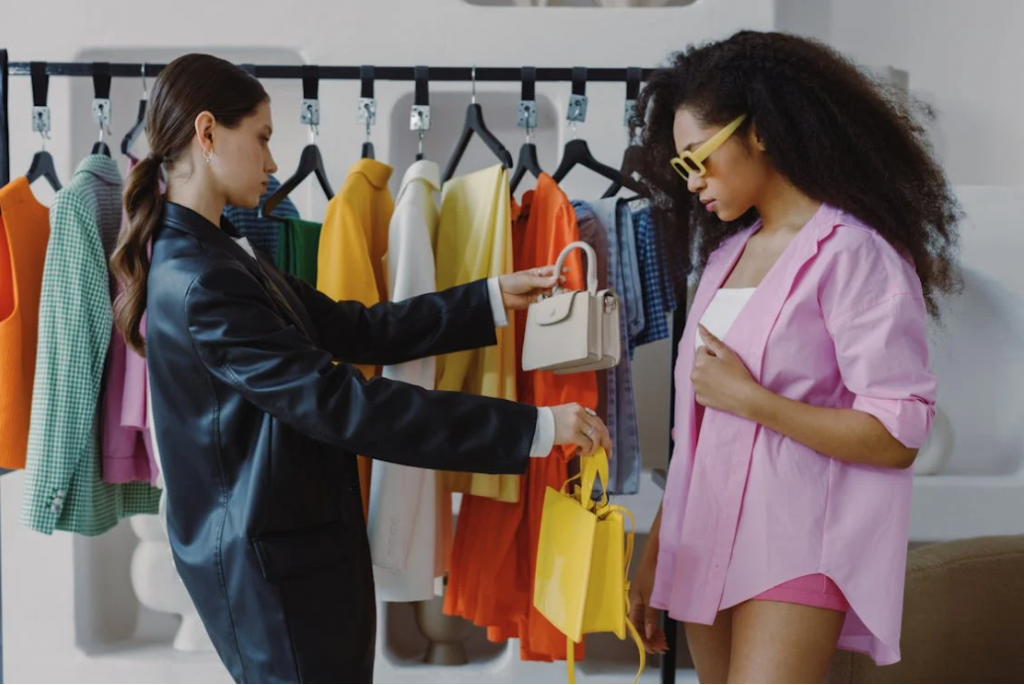
H2: The Rise of Second-Hand and Circular Fashion
H3: Benefits of Thrifting
Buying second-hand:
- Reduces waste
- Saves money
- Offers unique finds
It’s sustainable and stylish.
H3: How to Select High-Quality Second-Hand Items
Check:
- Fabric condition
- Stitching quality
- Signs of wear
A good piece should still have life left in it.
H2: The Capsule Wardrobe Concept
H3: Building a Core Wardrobe
A capsule wardrobe is a small collection of versatile pieces that work together.
Think:
- Fewer items
- More combinations
- Less decision fatigue
It simplifies everything.
H2: Extending the Life of Your Clothes
H3: Proper Care Techniques
Wash less frequently. Use cold water. Air dry when possible.
Small habits make a big difference.
H3: Repair and Reuse
A missing button? Fix it.
A small tear? Mend it.
Extending clothing life is one of the most sustainable actions you can take.
H2: Common Mistakes to Avoid
Watch out for these:
- ❌ Buying “sustainable” items you don’t actually wear
- ❌ Ignoring quality in favor of branding
- ❌ Replacing fast fashion with expensive impulse buys
Sustainability without intention is still waste.
H2: Creating Your Personal Eco-Chic Style
Start with what you already own.
Then:
- Identify gaps
- Invest in essentials
- Build slowly
Your style should evolve—not reset overnight.
H2: Conclusion
Eco-chic is not a trend—it’s a mindset.
It’s about choosing better, buying less, and wearing longer.
In a world that pushes you to consume faster, choosing to slow down is a powerful act.
So next time you shop, ask yourself:
👉 “Does this piece matter?”
Because the best wardrobe isn’t the biggest—it’s the most intentional.
H2: FAQs
Q1: Is sustainable fashion more expensive?
Not necessarily. While upfront costs may be higher, long-term value is often better.
Q2: Can I still follow trends with eco-chic fashion?
Yes—just integrate trends selectively into a timeless wardrobe.
Q3: What is the easiest way to start?
Buy less and choose higher-quality items.
Q4: Is second-hand clothing hygienic?
Yes, as long as items are properly cleaned before use.
Q5: How long should clothes ideally last?
With proper care, many garments can last several years or more.