shineandshape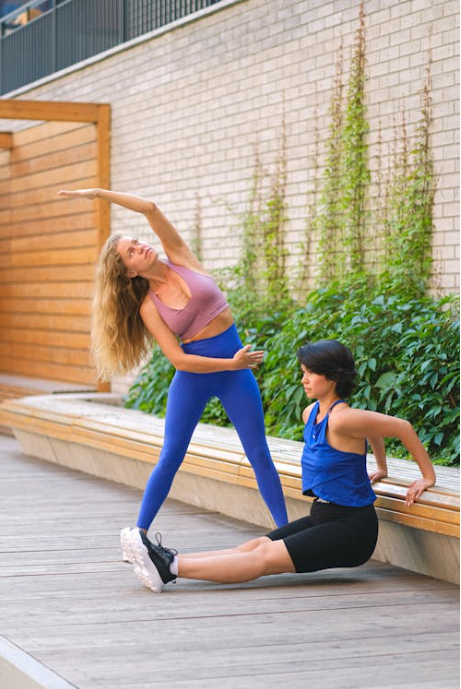
Let’s be honest—how many times have you skipped a workout because you didn’t have access to a gym?
Here’s the truth: you don’t need fancy machines, expensive memberships, or even dumbbells to build a strong, sculpted body. Your body itself is the ultimate training tool. When used correctly, it can deliver powerful, full-body results—anytime, anywhere.
Think of bodyweight training as a minimalist approach with maximum impact. Simple? Yes. Easy? Not quite.
H2: Why No-Equipment Workouts Are More Effective Than You Think
Many people underestimate bodyweight workouts. But here’s a question: if they weren’t effective, why do elite athletes, military personnel, and gymnasts rely on them?
The answer lies in efficiency.
No-equipment workouts:
- Engage multiple muscle groups
- Improve coordination and balance
- Build real-world strength
They don’t isolate—they integrate. And that’s where the magic happens.
H2: The Science Behind Bodyweight Training
Understanding the “why” makes the “how” more powerful.
H3: Muscle Activation Without Weights
Your muscles don’t care whether resistance comes from iron or gravity. A push-up, for example, activates your chest, shoulders, and triceps simultaneously.
It’s like using your entire team instead of just one player.
H3: Progressive Overload Using Your Body
You can still apply progressive overload without weights:
- Increase reps
- Slow down tempo
- Add pauses
- Try advanced variations
Your body adapts when challenged—not when comfortable.
H2: Key Benefits of Equipment-Free Training
H3: Accessibility and Convenience
No gym? No problem.
- Train at home
- Train outdoors
- Train while traveling
Your workout space becomes limitless.
H3: Functional Strength Development
Bodyweight exercises mimic real-life movements.
You’re not just building muscles—you’re building capability.
H2: Core Principles of an Effective Full-Body Workout
H3: Balance Between Muscle Groups
A good routine targets:
- Upper body
- Lower body
- Core
Skip one, and your results become unbalanced.
H3: Time Under Tension
The longer your muscles are under tension, the more they work.
Slow reps = more control = better results.
H3: Intensity Over Complexity
You don’t need complicated routines.
A basic squat done well is more effective than a fancy move done poorly.
H2: Warm-Up: Preparing Your Body Anywhere
H3: Dynamic Stretching Basics
Warming up increases blood flow and reduces injury risk.
H4: 5-Minute Quick Warm-Up Routine
- Jumping jacks (1 minute)
- Arm circles (1 minute)
- Bodyweight squats (1 minute)
- High knees (1 minute)
- Lunges (1 minute)
Think of it as turning on your engine before driving.
H2: Full-Body No-Equipment Workout Routine
Now let’s get into action.
H3: Lower Body Exercises
H4: Squats and Lunges Variations
- Squats
- Jump squats
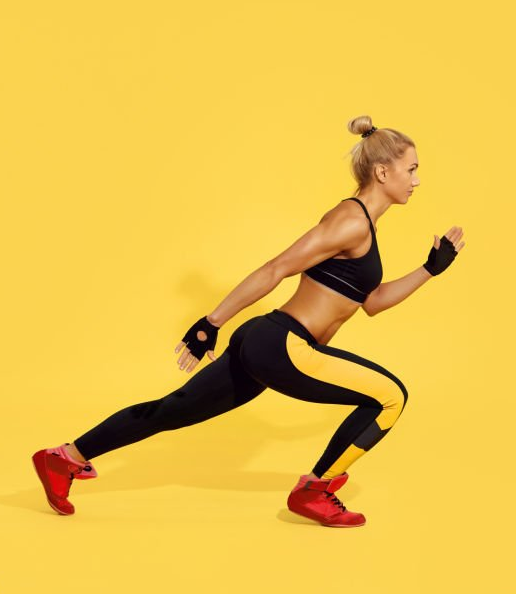
- Forward lunges
- Bulgarian split squats
These target your legs and glutes—the largest muscle groups in your body.
H3: Upper Body Exercises
H4: Push-Ups and Arm Movements
- Standard push-ups
- Incline push-ups
- Pike push-ups
- Tricep dips (using a chair)
No weights? No excuse.
H3: Core Exercises
H4: Planks and Stability Movements
- Plank
- Side plank
- Mountain climbers
- Leg raises
Your core is your foundation—train it like one.
H2: Cardio Without Equipment
H3: High-Intensity Bodyweight Moves
Want to burn fat?
Try:
- Burpees
- Jump squats
- High knees
- Mountain climbers
These moves elevate your heart rate fast—like flipping a switch.
H2: Structuring Your Weekly Routine
Consistency beats intensity.
H3: Beginner vs Advanced Plans
Beginner:
- 3 days/week
- 20–30 minutes
- Focus on form
Advanced:
- 5–6 days/week
- 30–45 minutes
- Add intensity and variations
Progress gradually—don’t rush the process.
H2: Common Mistakes to Avoid
- Skipping warm-ups
- Poor form
- Doing too much too soon
- Ignoring recovery
Remember: more is not always better—better is better.
H2: Tips to Maximize Results Anywhere
- Stay consistent
- Focus on technique
- Track progress
- Challenge yourself regularly
Your body responds to effort, not location.
H2: Staying Consistent Without a Gym
Motivation fades—discipline stays.
Create a routine:
- Set a schedule
- Use short workouts
- Remove excuses
Ask yourself: if not now, when?
H2: Conclusion
No-equipment training proves one powerful idea: you already have everything you need.
Your body is your gym. Your effort is your weight. Your consistency is your progress.
So stop waiting for the “perfect setup.” Start where you are, use what you have, and build the body you want—anywhere.