shineandshape
Looking expensive has surprisingly little to do with how much money you spend. A well-fitted jacket from an affordable retailer can look more sophisticated than an ill-fitting designer piece, while clean shoes, thoughtful color coordination, and carefully chosen accessories can transform an otherwise ordinary outfit.
The secret is understanding how people perceive quality. Clothing that fits properly, fabrics that hold their shape, coordinated colors, and a neat overall appearance communicate intention and attention to detail. These qualities are available at almost any budget.
If you want to look polished without draining your bank account, you do not need a luxury shopping habit. You need a strategy. By choosing versatile clothing, maintaining what you own, and learning a few reliable styling techniques, you can create a wardrobe that looks refined, feels authentic, and works for everyday life.
What Does It Really Mean to Look Expensive?
Looking expensive is best understood as looking intentional rather than wealthy. It is the visual impression created when clothing, accessories, grooming, and personal presentation work together.
An expensive-looking outfit rarely depends on one dramatic item. Instead, several small details reinforce one another: sleeves end at the right length, shoes are clean, colors complement each other, and accessories suit the occasion.
The Difference Between Price and Perceived Quality
Price and perceived quality are not the same thing. A garment’s retail price may reflect branding, marketing, distribution, or exclusivity rather than superior construction. Conversely, an affordable item can offer excellent value if its fabric, stitching, shape, and finish are well considered.
When evaluating clothing, look beyond the label. Does the fabric drape naturally? Are the seams straight? Do buttons feel secure? Does the garment maintain its shape after washing? These details are often more important to the final appearance than the name printed inside the collar.
Why Simplicity Often Looks More Luxurious
Simple outfits allow quality, fit, and proportion to take center stage. Excessive logos, too many competing patterns, and an overload of accessories can make an outfit feel visually crowded.
Minimalism does not mean dressing without personality. It means selecting a clear focal point and allowing the rest of the outfit to support it. A crisp shirt, tailored trousers, understated jewelry, and clean shoes can create a strong impression without requiring a single luxury purchase.
1. Prioritize Fit Over Brand Names
Fit is one of the most powerful tools for making inexpensive clothing look sophisticated. Even attractive garments lose their appeal when they pull across the shoulders, bunch around the waist, drag on the floor, or overwhelm the wearer’s frame.
Clothing that fits well creates cleaner lines and makes an outfit appear more deliberate. This is particularly important for structured pieces such as blazers, coats, trousers, button-down shirts, and dresses.
Choose Clothes That Complement Your Shape
Start by identifying how different cuts sit on your body. Shoulder seams should generally align with your natural shoulders, trouser hems should suit the shoes you wear, and waistlines should feel comfortable without excessive pulling.
You do not need to follow every trend or fit into a particular silhouette. The objective is balance. If you wear wide-leg trousers, for example, you might pair them with a fitted top or a neatly tucked shirt to establish proportion. If you prefer oversized outerwear, keep the remaining pieces relatively streamlined.
The right fit should help you move comfortably. An outfit that looks polished while standing but restricts movement is not a practical investment.
Use Simple Tailoring to Upgrade Your Wardrobe
A modest alteration can sometimes make a greater visual difference than buying a more expensive garment. Shortening trousers, adjusting sleeves, taking in a loose waist, or correcting a hem can improve how clothing sits on your body.
You do not need to tailor everything. Focus on frequently worn items that have good fabric and construction but do not fit quite right. Before paying for alterations, compare the cost with the garment’s quality and expected lifespan.
For inexpensive basics, simple adjustments you can safely do yourself may be enough. A properly finished hem or a securely replaced button can help an item look better cared for.
2. Build a Timeless Wardrobe Around Neutral Colors
A coordinated wardrobe makes getting dressed easier and reduces the temptation to buy something new for every occasion. Neutral colors are useful because they tend to combine easily, creating multiple outfits from a relatively small collection of clothes.
Black, white, cream, navy, gray, camel, and chocolate brown are dependable options. You do not need to wear all of them, and you certainly do not need to abandon bright colors. Choose a core palette that suits your complexion, lifestyle, and personal taste.
Invest in Versatile Wardrobe Essentials
A useful wardrobe begins with pieces that can serve several purposes. A white or pale blue shirt can work with jeans, tailored trousers, skirts, or a suit. Dark, well-fitting jeans can be dressed up with a blazer or worn casually with a simple T-shirt. A clean knit sweater can add texture without introducing unnecessary visual complexity.
Think in outfits rather than isolated purchases. Before buying an item, consider whether it works with at least three things you already own. If it only matches one very specific outfit, it may be less useful than it first appears.
The Core Pieces Worth Owning
Depending on your lifestyle, consider building around:
- A well-fitting blazer or structured jacket.
- A crisp shirt or high-quality basic top.
- Dark, clean denim without excessive distressing.
- Tailored trousers or a versatile skirt.
- A simple knitwear piece for layering.
- A coat or jacket that suits your local climate.
- Clean everyday shoes and one dressier option.
- A practical bag with a simple, functional design.
These are starting points, not a mandatory shopping list. If you rarely attend formal events, a versatile overshirt may serve you better than a traditional blazer. Buy for your actual routine rather than an imagined lifestyle.
3. Pay Attention to Fabric and Texture
Fabric affects how clothing hangs, moves, photographs, and wears over time. Two garments with similar designs can look completely different because one has a substantial, well-finished material while the other appears flimsy or loses its shape quickly.
When shopping, inspect the fabric rather than relying solely on its label. Look for a surface that appears consistent, seams that lie flat, and a weight appropriate to the garment. Check whether thin materials become transparent under light or whether the fabric clings in ways you find unflattering.
Natural fibers such as cotton, linen, wool, and silk can be attractive options, but they are not automatically superior in every situation. High-quality blends and well-made synthetic fabrics can also perform well. The right choice depends on construction, comfort, climate, care requirements, and durability.
Texture can make a simple outfit more interesting. Combining a smooth cotton shirt with structured denim, fine knitwear, or a wool-like coat creates depth without relying on large patterns or prominent branding.
The key is consistency. A luxurious appearance comes from choosing materials that work together and maintaining them properly, not from assuming that a particular fiber guarantees quality.
4. Master the Art of Color Coordination
Color coordination makes an outfit look cohesive before anyone notices individual garments. You do not need advanced fashion knowledge to achieve it. Start with two or three complementary colors and use them consistently throughout your outfit.
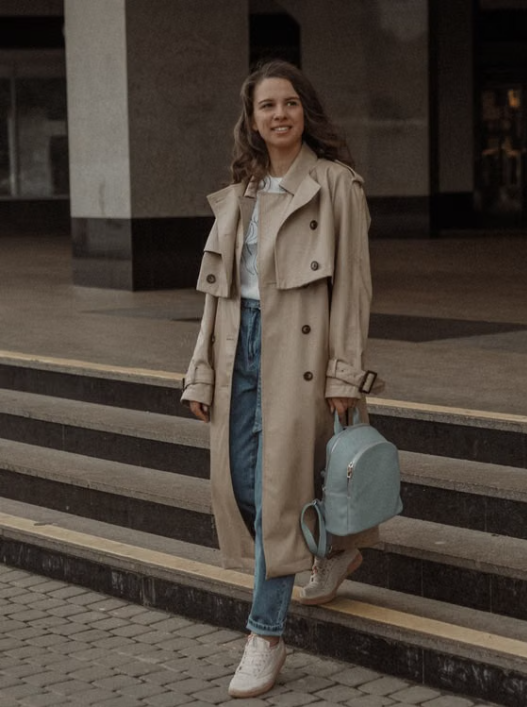
A monochromatic look, which uses different shades of the same color, is one accessible technique. Pairing cream trousers with an ivory top and a camel coat, for example, creates subtle variation while maintaining visual harmony. Navy with pale blue or charcoal with gray can achieve a similar effect.
Another option is to combine neutrals with one accent color. A mostly black, white, or beige outfit can accommodate a burgundy bag, a green sweater, or a colorful scarf without feeling overwhelming.
Pay attention to undertones and contrast. Warm browns and creams often work naturally together, while navy and white create a crisp contrast. These are useful starting points rather than strict rules.
Most importantly, keep your clothes looking their intended color. Faded black garments, yellowed whites, and visibly mismatched shades can make an otherwise coordinated outfit look less refined. Follow care labels and separate laundry appropriately to preserve color for longer.
5. Keep Your Clothes Clean, Pressed, and Well Maintained
Maintenance is one of the most affordable ways to improve your appearance. Clean, well-kept clothing signals care, while lint, wrinkles, loose threads, stains, and worn-out edges can distract from an otherwise excellent outfit.
You do not need to dry-clean everything. Follow garment care labels, wash items at suitable temperatures, and avoid overwashing pieces that can be refreshed between wears. A steamer or iron can help restore a neat finish, while a fabric brush or lint roller can remove visible debris.
Pay special attention to collars, cuffs, underarms, and trouser hems. These areas often show wear before the rest of a garment does. Repair loose buttons and small seam openings before they become larger problems.
Shoes deserve the same attention. Remove surface dirt, clean suitable materials with appropriate products, and replace worn laces when necessary. Leather shoes may benefit from occasional conditioning, while suede requires a different cleaning approach.
Storage matters, too. Use suitable hangers for structured garments, fold heavy knitwear to help prevent stretching, and avoid cramming clothes into an overcrowded closet. Proper care extends the life of your wardrobe and helps affordable items maintain their appearance.
6. Choose Accessories With Intention
Accessories can elevate an outfit, but only when they serve a clear purpose. A thoughtful watch, a simple pair of earrings, a clean belt, or a structured bag can make everyday clothing feel more complete.
The goal is not to accumulate accessories. It is to select a few pieces that complement your wardrobe and suit the occasion. Too many competing details can draw attention away from the outfit itself.
Consider proportion when choosing accessories. A large bag may overwhelm a delicate outfit, while an extremely small bag may be impractical for everyday use. Jewelry should also work with the neckline, sleeve length, and overall style of your clothing.
Select Bags, Shoes, and Belts That Look Refined
When buying a bag, inspect its stitching, handles, hardware, lining, and closure. A simple design with a clean silhouette can be more versatile than a heavily decorated item that only suits a narrow range of outfits.
For shoes, prioritize condition, comfort, and suitability. Clean sneakers can look intentional with tailored trousers, while understated loafers, flats, boots, or dress shoes can work across multiple settings. The right choice depends on your lifestyle and the formality of the occasion.
Belts should fit properly and complement the rest of your outfit. Matching every accessory exactly is unnecessary, but coordinating the overall tone of leather, metal hardware, and color can make an ensemble feel more considered.
You do not need designer labels. Look for useful construction, restrained details, and materials you can maintain. These characteristics often provide more long-term value than conspicuous branding.
7. Develop a Polished Grooming Routine
Clothing is only one part of personal presentation. Grooming influences the overall impression of an outfit, and a consistent routine can make even basic clothing look more intentional.
Keep hair clean and styled in a way that suits your natural texture, preferences, and daily schedule. Regular trims may help maintain a defined shape, but an expensive salon routine is not essential. The most effective approach is one you can sustain comfortably.
Skin care can remain simple. Gentle cleansing, suitable moisturizing, and daily broad-spectrum sunscreen can help support healthy-looking skin. You do not need an elaborate collection of products, and introducing too many active ingredients at once can irritate some skin types.
Pay attention to details such as clean nails, fresh breath, and clothing appropriate to the weather. Fragrance is optional; if you wear it, a subtle application is usually more versatile than an overpowering scent.
Grooming should support your confidence rather than create pressure to meet unrealistic beauty standards. The objective is to look cared for, not flawless.
8. Make Affordable Clothing Look More Premium
Affordable fashion can look polished when you pay attention to styling and construction. The most effective approach is to remove the details that make clothing look neglected and emphasize the elements that create clean lines.
First, check transparency and layering. A thin shirt may look better over a suitable underlayer, while a lightweight sweater can be paired with a structured jacket to create a more finished silhouette. Choose undergarments that fit comfortably and work with the garment’s cut.
Second, consider buttons, seams, and finishing. Replacing flimsy-looking buttons with suitable alternatives may improve some garments, provided the alteration is affordable and does not compromise the design. Remove loose threads carefully and make sure seams are not twisting or pulling.
Third, avoid buying an item simply because it resembles a luxury trend. A garment with exaggerated branding, awkward proportions, or poor construction will not necessarily look better because its design imitates a designer piece.
Finally, style affordable clothing with intention. Tuck in a shirt when it improves proportion, roll sleeves neatly when appropriate, and choose shoes that match the formality of the outfit. These adjustments cost little but can significantly improve the overall result.
9. Shop Strategically Instead of Impulsively
Looking expensive on a budget starts before you get dressed. It begins with how you spend your money.
Impulse purchases often create wardrobes full of disconnected items. A striking top might seem like a bargain until you realize it works with nothing else you own. Strategic shopping reverses that pattern: identify a need, assess your existing wardrobe, and buy only when an item fills a genuine gap.
Use Cost Per Wear to Evaluate Purchases
Cost per wear is a simple way to judge the practical value of clothing. Divide the total cost of an item by the number of times you expect to wear it.
For example, a $60 jacket worn 60 times costs $1 per wear. A $25 top worn only twice costs $12.50 per wear. These figures are estimates, not guarantees, but they illustrate why the lowest purchase price does not always represent the best value.
Before buying, consider durability, versatility, maintenance costs, comfort, and how often the item fits your routine. An expensive-looking wardrobe is not necessarily a costly one; it is a wardrobe in which purchases are used effectively.
Where to Find Better Value
Sales, outlet stores, secondhand shops, clothing swaps, and resale platforms can provide access to useful pieces at lower prices. Shopping secondhand can be especially worthwhile for coats, blazers, and other structured garments that may retain their usefulness over time.
However, a discount does not automatically make an item a good purchase. Check condition, fit, authenticity when relevant, and return policies. Avoid buying something simply because the original price appears impressive.
A practical rule is to set a budget before browsing and keep a short list of items you actually need. This helps you compare options rationally instead of letting promotions dictate your wardrobe.
10. Create Expensive-Looking Outfits With Simple Styling
Once you have versatile clothing, small styling decisions help bring everything together. The aim is to make the outfit appear coherent rather than overly complicated.
Try a tonal outfit built around similar shades, such as beige, cream, and brown. Alternatively, combine dark trousers with a crisp shirt and a structured outer layer. For a casual look, clean denim, a plain top, and neat shoes can feel just as polished when each item fits well.
Layering adds dimension, but each layer should serve a purpose. A lightweight shirt beneath knitwear or a jacket over a simple top can create depth without excessive bulk. Pay attention to sleeve lengths, collars, and hems so the layers sit neatly.
Proportion also matters. If the top is voluminous, a more streamlined bottom can provide balance. If you choose wide trousers, consider a top that defines the waist or finishes at a flattering point. These are flexible principles, not rules that dictate what you can wear.
Before leaving home, take a quick look at the entire outfit. Are the shoes appropriate? Do the colors work together? Is anything visibly wrinkled or out of place? A brief final check can prevent small issues from undermining an otherwise strong look.
11. Avoid Common Style Mistakes
Some habits make dressing well more difficult than it needs to be. One is buying clothing primarily because it carries a recognizable logo. Branding can be part of personal style, but it cannot compensate for poor fit, worn materials, or a lack of coordination.
Another mistake is chasing every trend. Trend-driven items may be fun, but purchasing too many can leave you with clothing that quickly feels outdated or difficult to combine. Use trends selectively, especially when they complement the wardrobe you already own.
Ignoring comfort is another problem. Shoes that hurt, trousers that restrict movement, and fabrics that irritate the skin can undermine confidence throughout the day. Practical clothing is more likely to be worn and maintained.
Finally, avoid treating neutral colors or minimalism as universal requirements. Personal style varies, and bright colors, prints, vintage pieces, and statement accessories can look sophisticated when chosen intentionally. The issue is not whether an item is bold; it is whether the overall outfit feels considered.
12. Build Confidence Through Personal Style
The most successful wardrobe is one that supports your real life. Someone who works in a creative environment may need different clothing from someone who spends most of the day in an office. A person who walks frequently may prioritize comfortable shoes, while someone attending formal events may benefit from investing in tailoring.
Identify the settings you dress for most often and build around them. Save inspiration images if they help you recognize recurring preferences, but evaluate each idea against your budget, comfort, climate, and existing wardrobe.
Confidence comes from knowing that your clothes fit, suit the occasion, and feel like you. You do not need to look wealthy or imitate someone else’s lifestyle. You need a consistent approach to presentation that reflects your own priorities.
Over time, you may find that you buy less because you understand what works. That is one of the strongest advantages of a well-planned wardrobe: fewer wasted purchases, more outfit combinations, and less uncertainty when getting dressed.
Conclusion
Learning how to look expensive without spending a fortune is ultimately about making thoughtful choices. Prioritize fit, build a versatile color palette, choose fabrics carefully, maintain your clothing, and use accessories to support rather than overwhelm an outfit. Shop with a plan, evaluate purchases by their long-term usefulness, and develop a grooming routine that fits your budget and lifestyle.
You do not need designer labels, an overflowing closet, or constant access to new trends to look polished. Consistency is far more powerful than extravagance. When every part of your appearance works together, even simple and affordable clothing can create a sophisticated impression.