shineandshape
Introduction
There’s something satisfying about opening the kitchen cabinet and realizing that a few ordinary ingredients can become part of a relaxing at-home spa ritual. Honey, oats, yogurt, green tea, avocado, and aloe vera are inexpensive, familiar, and easy to incorporate into simple skincare routines.
But let’s establish one thing immediately: natural doesn’t automatically mean gentle, safe, or effective for every skin type.
The internet is full of DIY beauty recipes promising dramatic transformations overnight. Some are harmless and enjoyable; others can irritate the skin barrier or create problems that are far less relaxing than the spa experience you were hoping for.
The smartest approach is analytical. Instead of asking, “What ingredient is trending?” ask, “What does this ingredient actually contribute, and is it appropriate for my skin?”
This guide focuses on practical kitchen ingredients that can support a comfortable, temporary spa experience. The goal isn’t to replace professionally formulated skincare. It’s to understand how simple ingredients can fit into a thoughtful routine while avoiding common DIY mistakes.
What Makes a Kitchen Ingredient Useful for Skincare?
Understanding Skin-Friendly Ingredients
A useful DIY ingredient generally has a straightforward role.
Some ingredients help the skin feel moisturized. Others provide a softening texture or a cooling sensation. Certain plant-based ingredients contain compounds that have been studied for antioxidant or soothing properties.
However, a kitchen ingredient isn’t formulated with the same precision as a cosmetic product.
A commercial moisturizer may combine carefully selected ingredients at specific concentrations and pH levels. A homemade mask doesn’t offer that same level of formulation control.
So think of DIY skincare as an occasional ritual rather than a complete skincare system.
Why Simple Ingredients Can Be Appealing
The attraction is obvious.
You know what you’re putting into the bowl. You can make a small amount, avoid unnecessary packaging, and create a relaxing ritual without purchasing another dozen products.
There’s also a psychological benefit. Taking 15 or 20 minutes to slow down, apply a mask, and disconnect from your phone can make the experience feel restorative.
Sometimes the “spa” part is just as valuable as the ingredient itself.
Safety First: Before You Try a DIY Treatment
Patch Testing Matters
Even familiar foods can cause skin reactions.
Before applying a homemade mixture broadly, test a small amount on a limited area of skin. Wait and observe for signs of irritation such as burning, redness, itching, or swelling.
If your skin reacts, wash the area and discontinue the treatment.
People with sensitive skin, allergies, eczema, rosacea, or other persistent skin concerns should be especially cautious with DIY treatments and may benefit from professional dermatological guidance.
Ingredients to Avoid on Facial Skin
Some popular DIY beauty ingredients are better left in the kitchen.
Why Lemon Juice and Baking Soda Can Be Problematic
Lemon juice is highly acidic and can irritate facial skin. Citrus exposure can also create additional problems when combined with sunlight.
Baking soda is alkaline and can disrupt the skin’s natural acidic environment.
Likewise, harsh scrubs made with coarse sugar or salt can create unnecessary physical irritation.
The fact that an ingredient is inexpensive and edible doesn’t make it appropriate for facial application.
Honey for a Simple Hydrating Treatment
How Honey Supports a Moisturized Feel
Honey is a classic home-spa ingredient because of its naturally humectant properties and pleasant texture.
A humectant helps attract and retain water at the skin’s surface, which can contribute to a softer, more moisturized feeling.
Honey also creates a naturally sticky mask that encourages you to slow down rather than multitask.
Easy Honey Mask
For a simple treatment, use a small amount of plain honey.
Apply a thin layer to clean skin, avoiding the eye area. Leave it on briefly, then rinse thoroughly with lukewarm water.
Follow with a moisturizer.
Don’t expect permanent transformation from a single treatment. The immediate benefit is primarily a temporary soft, conditioned feel.
Oatmeal for Gentle Skin Comfort
Why Finely Ground Oats Work
Oatmeal has a long history in skincare because finely milled oats can provide a gentle, comforting treatment for the skin.
The important distinction is texture.
Whole oat flakes can be rough. Finely ground oats are much more appropriate for creating a soft mask or soak.
DIY Oatmeal Soothing Mask
Grind plain oats into a fine powder.
Mix them with enough water to create a soft paste. You can also combine the oats with a small amount of plain yogurt if your skin tolerates dairy-based products.
Apply gently without aggressive rubbing.
Leave the mixture on for several minutes and rinse carefully.
The goal is comfort—not exfoliation through force.
Yogurt for a Refreshing Facial Mask
Understanding Yogurt’s Skin-Friendly Properties
Plain yogurt contains lactic acid, an alpha hydroxy acid associated with exfoliating effects.
However, the concentration and pH of homemade yogurt treatments aren’t standardized. That means you shouldn’t expect the same predictable results you would get from a professionally formulated exfoliating product.
Still, plain yogurt can create a cool, creamy, refreshing mask experience.
Simple Yogurt Treatment
Use plain, unsweetened yogurt without added flavorings.
Apply a thin layer to clean skin, avoiding the eye area. Leave it on for a short period, then rinse thoroughly.
If you experience stinging or irritation, stop immediately.
This treatment is best approached as an occasional experiment rather than a replacement for a properly formulated exfoliant.
Green Tea for a Cooling Ritual
Antioxidants and the Skin
Green tea contains naturally occurring polyphenols with antioxidant properties.
That makes it an interesting ingredient for a simple home-spa ritual.
However, don’t confuse “contains antioxidants” with “guarantees visible anti-aging results.” Skin benefits depend on formulation, concentration, stability, and regular use.
How to Make a Green Tea Compress
Brew plain green tea and allow it to cool completely.
Soak a clean cotton cloth in the cooled tea and gently place it over the face for several minutes.
The cool compress can feel refreshing after a hot day.
Discard leftover tea rather than storing homemade skincare mixtures for extended periods.
Fresh preparation is the safer approach.
Avocado for a Nourishing Skin Ritual
Natural Oils and Emollient Texture
Avocado contains fats that give it a rich, creamy consistency.
When applied topically, that texture can make the skin feel soft and conditioned.
The experience is particularly appealing when your skin feels dry or when you’re looking for a more luxurious DIY mask.
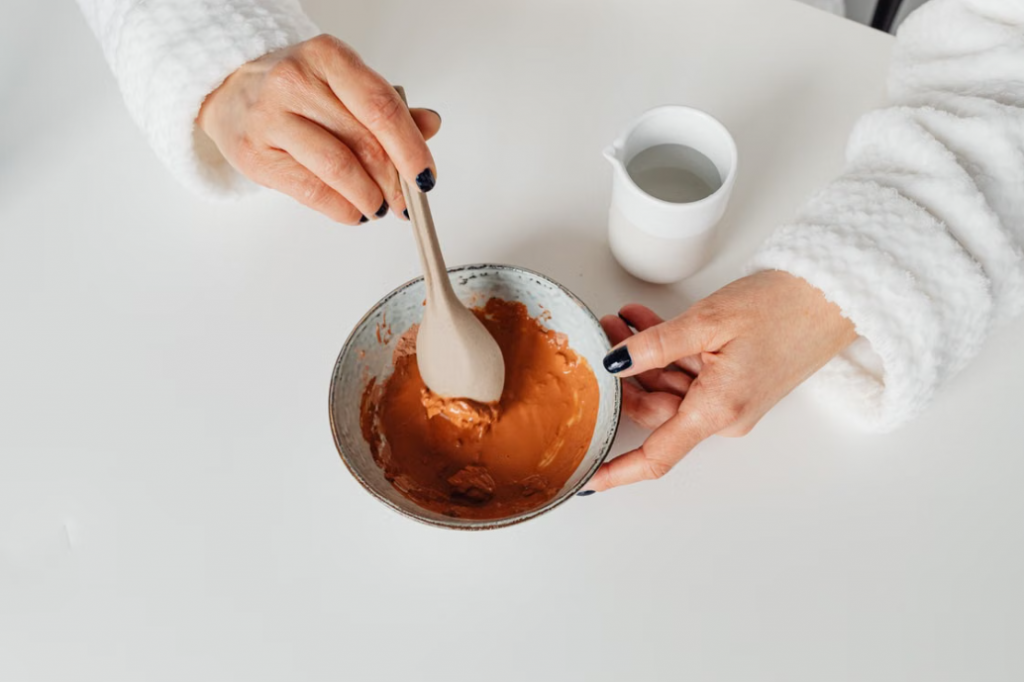
Easy Avocado Mask
Mash a small amount of ripe avocado until completely smooth.
Apply a thin layer to clean skin and leave it on briefly. Rinse thoroughly afterward and follow with moisturizer.
Because food-based masks can spoil quickly and may contain allergens, prepare only what you need and discard leftovers.
Aloe Vera for a Cooling Experience
When Aloe Can Be Useful
Aloe vera is widely associated with cooling and soothing skincare experiences.
If using aloe, choose a clean, appropriate aloe product or carefully prepared pure aloe rather than applying unknown plant material directly to the skin.
Aloe isn’t automatically suitable for everyone, so patch testing remains important.
The biggest advantage may simply be how refreshing a lightweight aloe-based treatment can feel after spending time outdoors.
DIY Body Spa Treatments
Oatmeal Body Soak
A warm oatmeal bath can turn an ordinary evening into a relaxing ritual.
Place finely ground plain oats into bathwater and allow them to disperse.
Keep the water comfortably warm rather than extremely hot, especially if your skin tends to become dry.
After bathing, gently pat the skin dry and apply a fragrance-free moisturizer while the skin is still slightly damp.
Simple Honey and Yogurt Body Treatment
For a small body treatment, plain yogurt and honey can create a creamy, moisturizing-feeling mixture.
Apply it to a limited area rather than covering your entire body, particularly if you’re trying the combination for the first time.
Rinse thoroughly and moisturize afterward.
Again, the goal is a temporary spa experience—not a replacement for evidence-based body care.
Building a Complete At-Home Spa Routine
Step 1: Cleanse Gently
Start with clean skin.
Use a gentle cleanser appropriate for your skin type rather than aggressively scrubbing away surface oils.
Clean skin provides a better starting point for any optional treatment.
Step 2: Apply One Simple Treatment
Choose one DIY ingredient.
This is important.
If you combine honey, lemon, yogurt, baking soda, coffee grounds, and several essential oils into one “super mask,” you increase the number of variables and the possibility of irritation.
Simple is smarter.
Step 3: Moisturize
After rinsing, apply a suitable moisturizer.
This helps restore a comfortable skin feel and prevents the DIY treatment from becoming the final step of your routine.
Don’t Overdo Your DIY Routine
More isn’t necessarily better.
Using multiple masks every day can create irritation instead of improvement.
For most people, an occasional DIY spa ritual makes more sense than constantly experimenting with kitchen ingredients.
Common DIY Skincare Mistakes
Several mistakes appear repeatedly in homemade beauty routines.
Using harsh exfoliants: Coarse particles can irritate the skin through excessive friction.
Applying undiluted acidic ingredients: Strongly acidic kitchen ingredients can cause burning or irritation.
Ignoring allergies: Food allergies and skin sensitivities shouldn’t be dismissed.
Leaving masks on too long: Longer exposure doesn’t automatically produce better results.
Storing homemade mixtures: DIY products generally lack preservatives and controlled packaging, increasing contamination concerns.
Expecting dramatic results: A homemade mask may temporarily improve how your skin feels, but it isn’t a substitute for consistent skincare.
When Store-Bought Products Make More Sense
DIY skincare has limitations.
If you want predictable exfoliation, targeted acne treatment, pigmentation management, barrier support, or anti-aging benefits, professionally formulated products are usually a more reliable choice.
Why?
Because formulation matters.
Cosmetic chemists can control concentration, pH, stability, preservation, delivery systems, and ingredient compatibility.
Think of the difference between cooking at home and eating at a restaurant with a professional kitchen. Both can produce something enjoyable, but the level of precision isn’t the same.
A balanced skincare routine might therefore combine professional products for daily care with occasional DIY treatments for relaxation.
Conclusion
Creating a DIY spa at home can be an enjoyable way to slow down and experiment with simple ingredients such as honey, finely ground oatmeal, plain yogurt, green tea, avocado, and aloe vera. These ingredients can contribute to a temporary feeling of softness, comfort, freshness, or hydration when used appropriately.
But the smartest DIY approach is also the most conservative.
Avoid harsh ingredients such as lemon juice and baking soda on facial skin. Don’t aggressively scrub. Patch test unfamiliar treatments. Prepare small quantities, use them promptly, and stop if irritation develops.
Most importantly, understand what DIY skincare can—and cannot—do. A kitchen mask may provide a pleasant short-term experience, but long-term skin health depends much more on consistent basics such as gentle cleansing, appropriate moisturizing, sun protection, and products suited to your individual needs.
The real luxury isn’t having a complicated beauty routine.
It’s knowing what your skin needs—and knowing when to keep things simple.