shineandshape
Understanding What Makes Hair Truly Healthy
The Science Behind Hair Growth
Healthy hair starts at the root—literally. Each strand of hair grows from a follicle beneath your scalp, fueled by nutrients from your bloodstream. On average, hair grows about half an inch per month. But growth speed depends on genetics, nutrition, hormones, and overall health. When your body is thriving, your hair reflects that vitality with shine and strength.
Common Signs of Unhealthy Hair
Dullness, breakage, split ends, frizz, and slow growth—sound familiar? These are classic signs that your hair’s natural balance is off. Unhealthy hair often feels dry and brittle, lacking elasticity. The goal isn’t just to make hair look shiny, but to restore its structure from the inside out.
Nutrition: The Foundation of Beautiful Hair
Essential Vitamins and Minerals for Hair Health
Biotin, Iron, and Zinc
Biotin (vitamin B7) supports keratin production, the main protein in hair. Iron ensures your follicles get enough oxygen, while zinc strengthens hair follicles and prevents shedding. Deficiencies in these nutrients can lead to hair thinning or slow growth.
Omega-3 Fatty Acids and Protein
Protein is the building block of your hair. Without enough, strands become weak and prone to breakage. Omega-3 fatty acids, found in fish, nuts, and seeds, nourish the scalp, reduce inflammation, and keep your hair hydrated from within.
Hydration and Its Impact on Hair
Just like your skin, your hair needs water. Dehydration can lead to dull, lifeless strands. Drinking plenty of water and eating hydrating foods like cucumber and watermelon keeps hair supple and resilient.
Daily Hair Care Habits That Make a Difference
Choosing the Right Shampoo and Conditioner
A good shampoo cleanses without stripping natural oils, while conditioner seals moisture and smooths the cuticle. Choose sulfate-free formulas for gentle cleansing and tailor your products to your hair type—hydrating for dry hair, clarifying for oily scalps, and volumizing for fine strands.
How Often Should You Wash Your Hair?
The “right” frequency depends on your scalp and lifestyle. Oily hair may need washing every other day, while dry or curly hair can go 3–4 days between washes. Over-washing removes protective oils, leaving hair vulnerable to damage.
The Importance of Scalp Care
Think of your scalp as the garden where your hair grows—if the soil isn’t healthy, nothing thrives. Regular exfoliation removes buildup, while gentle massages boost blood flow and nutrient delivery to follicles.
Brushing Techniques That Prevent Breakage
Brushing detangles and distributes oils, but technique matters. Use a wide-tooth comb on wet hair and start detangling from the ends upward. Avoid harsh tugging, and consider using a boar bristle brush to enhance natural shine.
Advanced Hair Treatments for Extra Shine
Hair Masks and Deep Conditioning
Weekly deep-conditioning treatments can transform your hair’s texture. Look for masks with keratin, argan oil, or shea butter. They penetrate the cuticle, repair damage, and restore elasticity.
Oils That Nourish and Protect Hair
Natural oils like argan, coconut, and jojoba oil are miracle workers. A few drops can tame frizz, add shine, and protect against dryness. Apply oil to damp ends or use it overnight as a nourishing treatment.
Heat Protection and Smart Styling Tools
Heat styling can instantly polish your look—but it also causes long-term damage if not done right. Always use a heat protectant spray and avoid setting tools above 180°C (356°F). Consider air-drying or using ceramic-coated tools for gentler styling.
Lifestyle Factors That Influence Hair Health
Stress and Hair Loss Connection
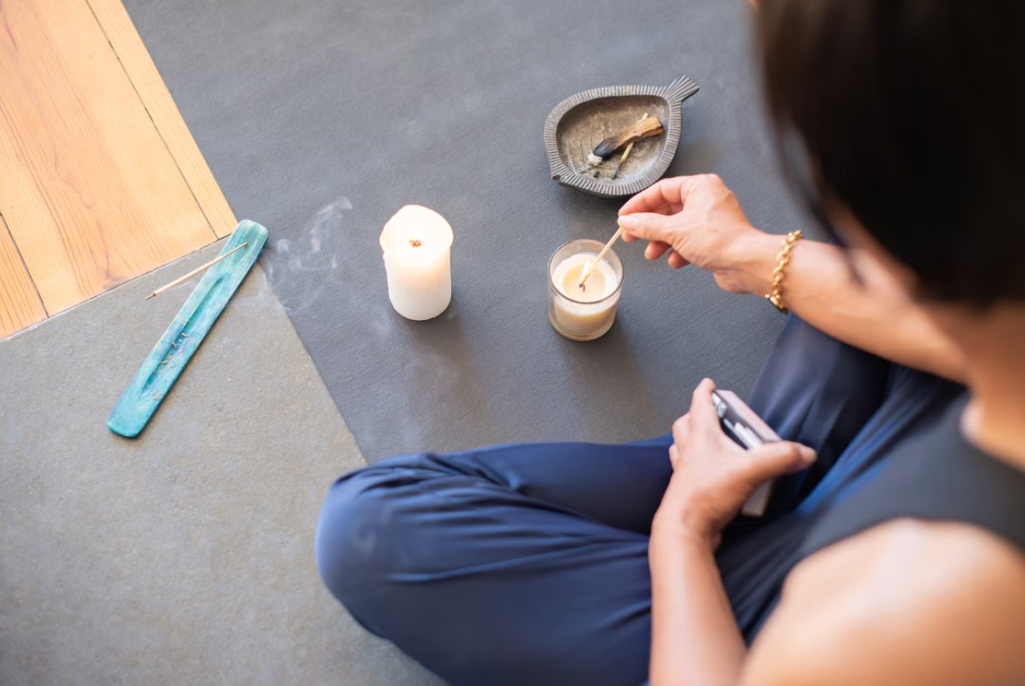
Stress can push hair follicles into a “resting” phase, causing increased shedding. Chronic stress also disrupts hormones that regulate growth. Incorporate relaxation techniques like meditation, yoga, or even short walks to reduce its impact.
The Role of Sleep and Exercise
Sleep helps your body repair cells, including those in your hair follicles. Aim for 7–9 hours of rest nightly. Exercise improves blood circulation, ensuring that hair roots receive the oxygen and nutrients they need.
Avoiding Environmental Damage
Sun, pollution, and chlorine can all harm your hair. Wear a hat on sunny days, rinse after swimming, and use leave-in products with UV protection to defend against environmental aggressors.

Natural Remedies for Healthy Hair
Herbal Rinses and DIY Treatments
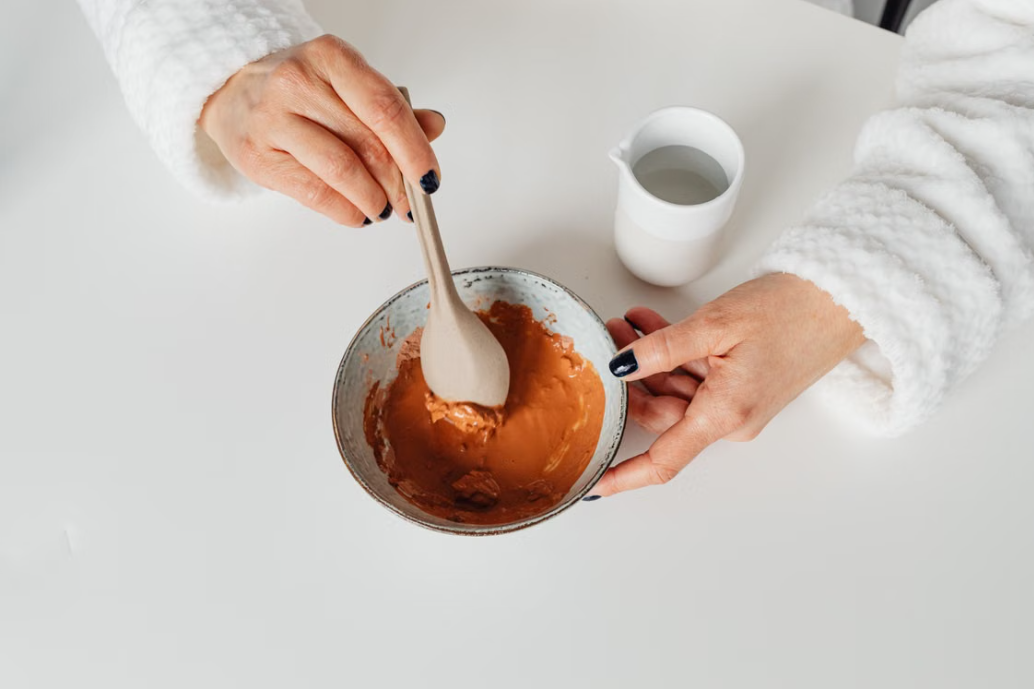
Rinsing hair with green tea, rosemary, or apple cider vinegar can balance scalp pH, reduce dandruff, and boost shine. DIY masks with honey, yogurt, or aloe vera provide deep moisture using ingredients straight from your kitchen.
Scalp Massage for Blood Circulation
Just five minutes a day of scalp massage increases circulation, strengthens roots, and promotes growth. You can use your fingertips or a scalp massager tool for a soothing, effective ritual.
Common Hair Care Mistakes to Avoid
Over-Washing or Over-Styling
Washing or styling too often strips natural oils, leading to dryness and split ends. Try to air-dry more often and minimize chemical treatments like coloring or perming.
Ignoring Split Ends
Split ends don’t just look bad—they travel up the hair shaft and cause more damage. Trim your hair every 6–8 weeks to maintain a healthy appearance and prevent breakage.
Using the Wrong Hair Products
One-size-fits-all doesn’t apply to hair care. Using heavy products on fine hair or light products on coarse hair can lead to imbalance. Learn your hair type and choose products accordingly.
Creating a Personalized Hair Care Routine
Identifying Your Hair Type
Is your hair straight, wavy, curly, or coily? Fine or coarse? Oily or dry? Identifying these factors helps you choose the right shampoo, conditioner, and treatments that truly work.
Tailoring Products to Your Needs
Once you know your hair type, build a simple, effective routine. For instance, curly hair thrives on moisture, while fine hair benefits from volumizing, lightweight formulas. Consistency is key—great hair doesn’t happen overnight.
Conclusion: Embrace the Journey to Healthy Hair
The secret to gorgeous, lustrous hair isn’t one miracle product—it’s a combination of consistent care, balanced nutrition, and mindful living. Treat your hair like a living part of you, not just a fashion statement. When you nourish it from the inside and protect it on the outside, it will reward you with strength, shine, and beauty that lasts.
FAQs
1. How long does it take to see results from new hair care habits?
Typically, you’ll notice improvements in 4–6 weeks, but significant changes may take up to 3 months as your hair grows.
2. Can diet really affect my hair’s appearance?
Absolutely. Hair reflects your overall health, and nutrient deficiencies can directly impact growth, shine, and strength.
3. Is it bad to use hair oil daily?
Not necessarily—if used sparingly. A few drops on the ends can prevent dryness, but too much oil can weigh hair down or clog pores.
4. What’s the best way to stop hair breakage?
Use a wide-tooth comb, minimize heat styling, and get regular trims. Deep-conditioning treatments also strengthen strands.
5. Are natural remedies as effective as salon treatments?
While salon treatments deliver faster results, natural remedies are excellent for long-term health. Combining both can give you the best of both worlds.