shineandshape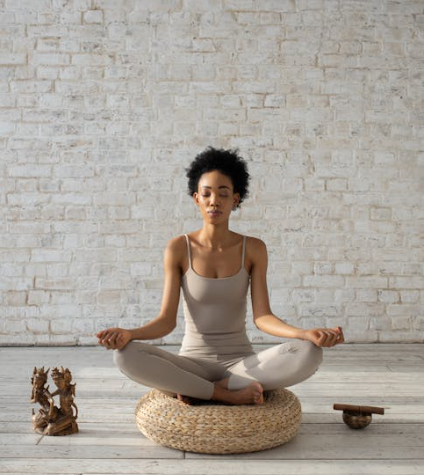
Introduction
What exactly is mindfulness meditation? You might have heard about it from friends, seen it mentioned in wellness blogs, or even stumbled upon it while searching for ways to de-stress. Mindfulness meditation is a practice where you focus on being intensely aware of what you’re sensing and feeling in the moment, without interpretation or judgment. It’s about tuning into the present rather than ruminating over the past or worrying about the future. This simple yet powerful practice has gained immense popularity for its benefits to mental and physical health.
History of Mindfulness Meditation
Mindfulness meditation finds its roots in Buddhism, where it has been practiced for over 2,500 years. It’s a core element of Buddhist teachings, emphasizing the importance of living in the present moment. The concept of mindfulness was introduced to the West in the 1970s by Jon Kabat-Zinn, a professor of medicine who developed the Mindfulness-Based Stress Reduction (MBSR) program. His work helped bring mindfulness into mainstream Western medicine and psychology.
Benefits of Mindfulness Meditation
Mindfulness meditation is praised for its wide array of benefits.
Mental Health Benefits
- Reducing Stress and Anxiety: Regular mindfulness practice can significantly reduce stress levels and help manage anxiety. By focusing on the present, it helps break the cycle of worry and overthinking.
- Improving Focus and Concentration: Mindfulness enhances your ability to concentrate on tasks at hand, improving productivity and mental clarity.
Physical Health Benefits
- Lowering Blood Pressure: Studies have shown that mindfulness meditation can help lower blood pressure, contributing to better heart health.
- Enhancing Sleep Quality: By promoting relaxation and reducing stress, mindfulness meditation can improve the quality of sleep, making it easier to fall asleep and stay asleep.
Mindfulness vs. Other Forms of Meditation
It’s important to distinguish mindfulness meditation from other types of meditation.
Differences from Transcendental Meditation
While mindfulness meditation focuses on awareness and presence, transcendental meditation involves the use of a mantra to transcend ordinary thinking and reach a state of restful alertness.
Differences from Guided Meditation
Guided meditation typically involves following a set of instructions from a guide or a recording. Mindfulness meditation, on the other hand, encourages self-guided observation and awareness of thoughts and sensations.
Getting Started with Mindfulness Meditation
Starting your mindfulness journey requires some preparation.
Setting Intentions
Before you begin, set clear intentions for your practice. Decide why you want to practice mindfulness and what you hope to achieve.
Creating a Conducive Environment
Find a quiet, comfortable space where you won’t be disturbed. This helps create a conducive environment for meditation.
Basic Techniques of Mindfulness Meditation
There are several techniques you can try as a beginner.
Breathing Exercises
Focus on your breath. Pay attention to each inhale and exhale, noticing the sensations in your body as you breathe.
Body Scan
This involves mentally scanning your body from head to toe, observing any sensations, tension, or discomfort.
Loving-Kindness Meditation
This practice involves directing feelings of love and compassion towards yourself and others. It helps cultivate a sense of empathy and connection.
Common Challenges and How to Overcome Them
Many beginners face challenges when starting mindfulness meditation.
Dealing with Distractions
It’s normal for your mind to wander during meditation. When this happens, gently bring your focus back to your breath or the present moment.
Managing Time Constraints
Finding time for meditation can be challenging. Start with short sessions and gradually increase the duration as you become more comfortable with the practice.
Mindfulness in Daily Life
Mindfulness isn’t limited to formal meditation sessions; it can be integrated into your daily activities.
Practicing Mindfulness at Work
Take short breaks throughout your workday to focus on your breath and reset your mind. This can improve your productivity and reduce stress.
Incorporating Mindfulness in Daily Routines
Simple activities like eating, walking, or even washing dishes can become opportunities for mindfulness practice. Pay attention to the sensations and experiences involved in these tasks.
Advanced Practices in Mindfulness Meditation
As you become more experienced, you might explore advanced mindfulness practices.
Deepening Practice with Longer Sessions
Gradually increase the length of your meditation sessions to deepen your practice and enhance its benefits.
Exploring Silent Retreats
Silent retreats offer an intensive mindfulness experience, allowing you to immerse yourself in practice without distractions.
Scientific Research on Mindfulness Meditation
There is a growing body of scientific research supporting the benefits of mindfulness meditation.
Studies on Mental Health
Research indicates that mindfulness meditation can reduce symptoms of depression and anxiety, and improve overall mental health.
Studies on Physical Health
Studies have also shown that mindfulness meditation can boost immune function, reduce inflammation, and improve heart health.
Myths and Misconceptions
Despite its popularity, there are several myths and misconceptions about mindfulness meditation.
Misunderstanding Mindfulness as Escapism
Some people mistakenly believe that mindfulness is about escaping reality. In truth, it’s about fully engaging with the present moment.
Clarifying the Role of Spirituality
While mindfulness has roots in Buddhist traditions, it can be practiced secularly. It’s not necessarily tied to any religious or spiritual beliefs.
Tools and Resources for Mindfulness Meditation
There are many tools and resources available to support your mindfulness practice.
Recommended Apps and Books
Apps like Headspace and Calm, and books like “The Miracle of Mindfulness” by Thich Nhat Hanh, offer guided meditations and insights into mindfulness practice.
Online Communities and Courses
Joining online communities and courses can provide additional support and motivation. Websites like Mindful.org offer a wealth of resources.
Success Stories and Testimonials
Hearing about others’ experiences can be inspiring.
Personal Accounts of Transformation
Many people have shared how mindfulness meditation has transformed their lives, helping them manage stress, improve relationships, and achieve greater emotional balance.
Celebrity Endorsements
Celebrities like Oprah Winfrey and LeBron James have endorsed mindfulness meditation, highlighting its benefits and bringing it into the spotlight.
Mindfulness for Children and Teens
Mindfulness isn’t just for adults; it can be highly beneficial for young people too.
Benefits for Young Minds
Practicing mindfulness can help children and teens manage stress, improve focus, and develop emotional resilience.
Tips for Introducing Mindfulness to Kids
Start with short, simple exercises and make it fun. Encourage curiosity and a non-judgmental attitude towards the practice.
Conclusion
Mindfulness meditation is a powerful tool for enhancing mental and physical well-being. By focusing on the present moment, it helps reduce stress, improve focus, and foster a greater sense of peace and balance in life. Whether you’re new to meditation or looking to deepen your practice, the journey of mindfulness offers endless opportunities for personal growth and transformation.
FAQs
1. How long should I meditate as a beginner?
Start with just 5-10 minutes a day and gradually increase the duration as you become more comfortable with the practice.
2. Can mindfulness meditation help with anxiety?
Yes, mindfulness meditation has been shown to be effective in reducing symptoms of anxiety by promoting relaxation and a greater sense of control over thoughts and emotions.
3. Do I need a special place to meditate?
While a quiet, comfortable space can enhance your meditation experience, you can practice mindfulness anywhere, even in busy environments.
4. Is mindfulness meditation a religious practice?
No, mindfulness meditation can be practiced secularly and is not tied to any specific religion or belief system.
5. Can children practice mindfulness meditation?
Absolutely! Mindfulness can be very beneficial for children and teens, helping them develop emotional resilience and focus.