shineandshape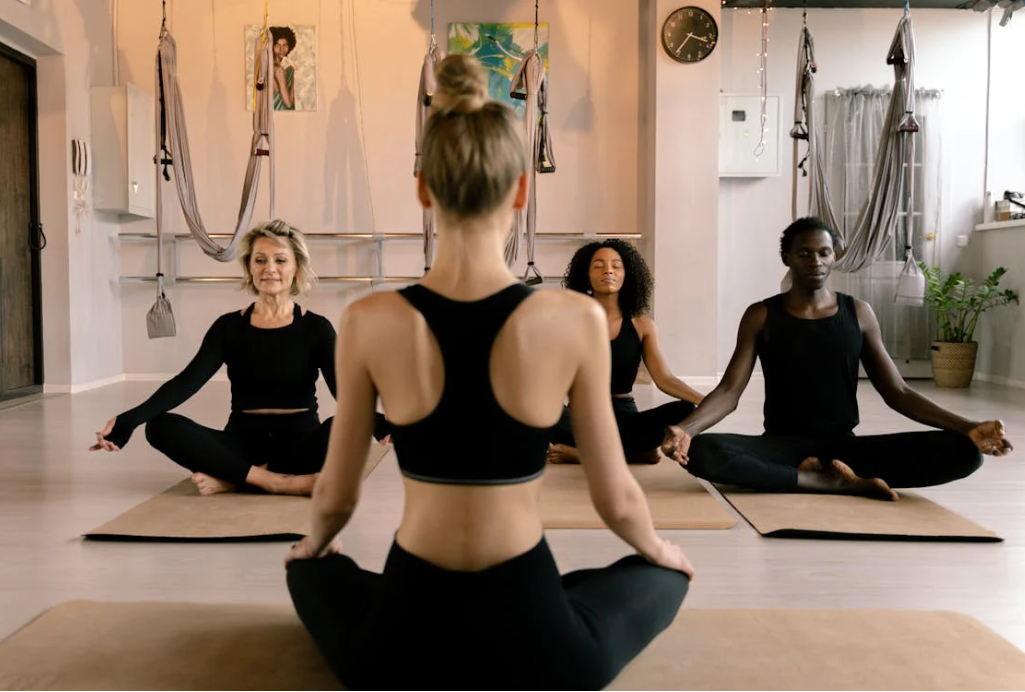
Why Training Like a Pro Matters
Ever wondered why professional athletes seem to perform at a level that feels out of reach? It’s not just talent—it’s their training systems. Training like a pro means adopting their mindset, routines, and discipline. The good news? You don’t have to play in the NFL or compete in the Olympics to apply these strategies. You can take expert techniques and integrate them into your everyday life.
Building the Right Mindset
Discipline Over Motivation
Motivation is fleeting, but discipline is what separates professionals from amateurs. Athletes don’t wake up every day excited to train, but they show up regardless. That consistency is the foundation of long-term results.
Goal Setting Like an Athlete
Pros never train aimlessly. They set specific, measurable goals—whether it’s shaving off milliseconds, lifting heavier, or increasing endurance. For you, this might mean aiming for a 5K, improving your squat form, or simply committing to three workouts per week.
Creating a Pro-Level Workout Plan
Understanding Periodization
Professional training follows cycles: building, peaking, and resting. This approach, called periodization, prevents burnout and ensures progress. Try alternating between phases of strength building, endurance, and recovery to mimic the pros.
Balancing Strength, Cardio, and Flexibility
A true athlete doesn’t rely on just one type of training. They blend strength for power, cardio for stamina, and flexibility for longevity. If you’re skipping mobility, you’re leaving your performance (and health) on the table.
Rest and Recovery Cycles
Pros schedule rest with as much importance as workouts. Muscles grow and repair during downtime, not when you’re lifting or sprinting. Following a recovery cycle keeps your progress sustainable.
Nutrition Strategies from the Pros
Eating for Performance vs. Aesthetics
Athletes eat to fuel their bodies, not just to look good. That means prioritizing protein, complex carbs, and healthy fats over restrictive diets. Think fuel, not deprivation.
Timing Your Meals and Snacks
Pros often eat strategically—protein after workouts, carbs before performance. For everyday life, a pre-gym banana and post-gym protein shake can mimic this approach.
Hydration Habits of Elite Athletes
Even mild dehydration affects strength, energy, and focus. Many athletes monitor hydration with the same seriousness as their workouts. For you, a simple rule works: drink consistently, not just when thirsty.
Recovery: The Secret Weapon of Professionals
Sleep Optimization
Top athletes prioritize 7–9 hours of quality sleep. Sleep isn’t laziness; it’s performance-enhancing. It restores muscles, balances hormones, and sharpens focus.
Active Recovery and Mobility Work
Recovery isn’t only about lying down. Light activities like yoga, stretching, or swimming improve circulation and prevent stiffness.
Tools for Faster Recovery
Foam rollers, massage guns, and compression gear aren’t just trends—they’re science-backed tools pros use to bounce back faster.
Mental Training and Focus
Visualization Techniques
Many athletes rehearse success in their minds before stepping onto the field. Visualization builds confidence and sharpens execution. Imagine yourself crushing your next lift or finishing a race strong—it works.
Stress Management Practices
High stress wrecks recovery and performance. Athletes manage it with breathing exercises, meditation, or mindfulness. You don’t need hours; five minutes a day can do wonders.
Expert Tips for Avoiding Injuries
Proper Warm-Up and Cool-Down
Skipping warm-ups is like racing a car without oil—it’s a disaster waiting to happen. Start with dynamic stretches, and cool down with static ones to protect muscles and joints.
Listening to Your Body
Pain isn’t weakness leaving the body; it’s your body’s alarm system. Professionals distinguish between soreness and injury. Learn that difference to train smart, not broken.
Must-Have Gear and Technology
Wearables and Tracking Devices
Smartwatches, heart-rate monitors, and fitness apps help athletes track progress in real-time. They make invisible data—like recovery and stress—visible.
Training Equipment the Pros Use
Resistance bands, kettlebells, and battle ropes aren’t just for Instagram—they’re part of pro training because they build functional strength.
How to Train Like a Pro on a Busy Schedule
Efficient Workouts
Don’t have two hours to train? Pros know intensity matters more than duration. A 30-minute HIIT session can rival a longer workout.
Adapting Training While Traveling
Even athletes live out of suitcases. They stick to bodyweight circuits, hotel gyms, or resistance bands. The lesson? Adapt, don’t pause.
Conclusion: The Road to Pro-Level Training
Training like a pro isn’t about copying every detail of an athlete’s life—it’s about adopting their principles. Discipline, balance, recovery, and smart nutrition form the foundation. The moment you stop chasing quick fixes and start training with purpose, you’re already leveling up.
FAQs
- What’s the biggest difference between training like a pro and training casually?
Pros focus on long-term performance and recovery, while casual exercisers often prioritize quick results. - Do I need expensive gear to train like a pro?
Not at all. Essentials like good shoes, resistance bands, and consistency matter more than high-end equipment. - How much sleep should I get to recover like an athlete?
Most experts recommend 7–9 hours of quality sleep to maximize recovery and performance. - Can I still train like a pro if I have a 9-to-5 job?
Absolutely. Focus on efficient workouts, proper recovery, and maintaining discipline. You don’t need hours in the gym. - How do I know if I’m overtraining?
Signs include constant fatigue, lack of progress, irritability, and recurring injuries. If you spot these, it’s time to rest.