shineandshape
Acne is a common skin condition that affects many people, especially teenagers and young adults. While there are numerous treatments available, natural remedies can be just as effective in managing acne-prone skin. By understanding the underlying causes of acne and incorporating natural remedies into your daily routine, you can manage breakouts without relying on harsh chemicals or medications.
Introduction: Understanding Acne-Prone Skin
Acne occurs when hair follicles become clogged with oil, dead skin cells, or bacteria. These blockages lead to inflammation, resulting in pimples, blackheads, and cysts. Acne-prone skin tends to be oily, sensitive, and reactive to various triggers, such as hormones, stress, or diet. By adopting natural approaches, you can help prevent these blockages and calm inflammation, leading to clearer, healthier skin.
Common Causes of Acne-Prone Skin
Understanding what causes acne is crucial in dealing with it naturally. Several factors contribute to the development of acne-prone skin, and addressing them can significantly reduce breakouts.
1. Hormonal Imbalances
Hormonal changes, particularly during puberty, menstruation, pregnancy, or the use of birth control, can increase oil production in the skin. This excess oil can clog pores and lead to acne. Hormonal acne is often seen along the jawline or chin area and can be persistent.
2. Excessive Oil Production
Oil (sebum) is produced by sebaceous glands in the skin to keep it lubricated. However, for those with acne-prone skin, these glands may produce an excess of oil, leading to clogged pores and breakouts.
3. Poor Diet
Your diet plays a significant role in skin health. Foods high in processed sugars, dairy, and unhealthy fats can trigger inflammation, leading to acne flare-ups. On the other hand, a diet rich in antioxidants, healthy fats, and vitamins can promote clearer skin.
4. Stress
Stress can increase the production of cortisol, a hormone that triggers oil production in the skin. This excess oil can lead to clogged pores and acne. Managing stress through relaxation techniques and self-care can help maintain clear skin.
5. Genetics
Your genes can also influence your likelihood of developing acne. If your parents had acne-prone skin, you may be more likely to experience similar issues. However, with the right lifestyle and skincare routine, genetics can be managed.
Natural Remedies for Acne-Prone Skin
If you’re looking to manage acne without relying on harsh chemicals, here are some natural remedies that can help soothe and heal acne-prone skin.
1. Tea Tree Oil
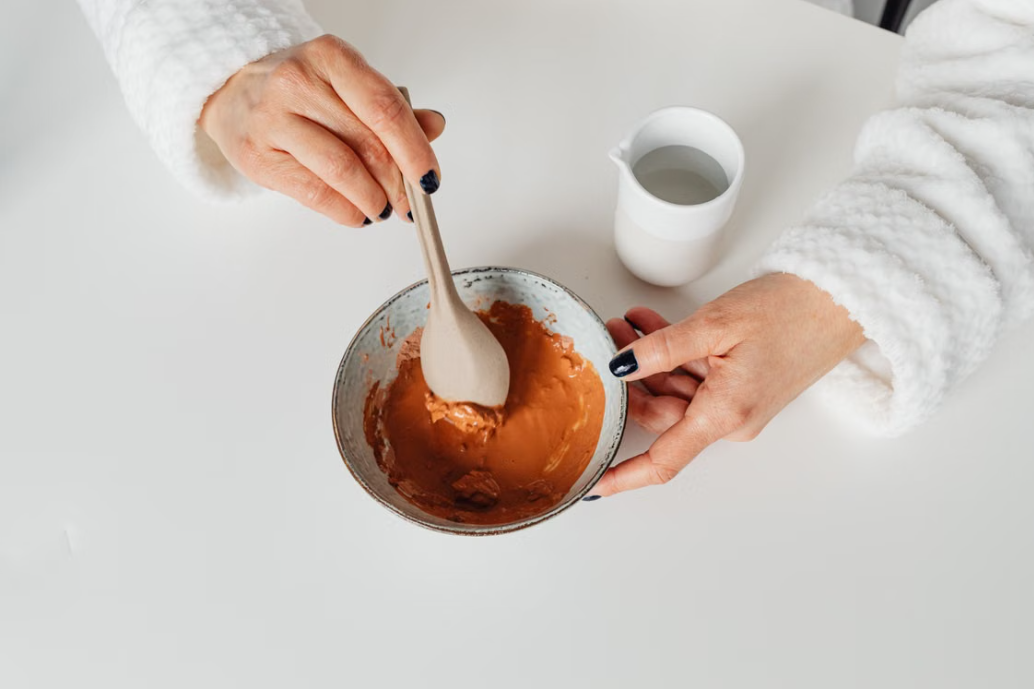
Tea tree oil is well-known for its antimicrobial properties. It helps to fight acne-causing bacteria and reduces inflammation. To use tea tree oil, dilute it with a carrier oil like coconut or jojoba oil, and apply it directly to acne spots with a cotton swab. It can also be added to a facial mask for added benefits.
2. Aloe Vera
Aloe vera is an excellent natural remedy for acne-prone skin due to its anti-inflammatory and antibacterial properties. Aloe vera gel can be applied directly to the skin to reduce redness, calm inflammation, and speed up healing. It also helps hydrate the skin without making it greasy.
3. Honey
Honey has natural antibacterial properties that can help fight acne-causing bacteria. It also acts as a humectant, drawing moisture into the skin and keeping it hydrated. You can apply raw honey to acne-prone areas as a spot treatment or use it in a face mask for soothing effects.
4. Green Tea
Green tea is rich in antioxidants and has anti-inflammatory properties. Drinking green tea regularly can help reduce acne flare-ups, and applying cooled green tea bags to the skin can help soothe inflammation and fight bacteria.
5. Witch Hazel
Witch hazel is a natural astringent that can help tighten the skin and reduce oil production. It also has anti-inflammatory properties that help calm irritated skin. Apply witch hazel to the skin using a cotton pad after cleansing to help prevent acne.
6. Apple Cider Vinegar
Apple cider vinegar is another powerful remedy for acne-prone skin. It contains acetic acid, which helps balance the skin’s pH levels and fights bacteria. Dilute apple cider vinegar with water and apply it as a toner to help prevent breakouts.
Daily Habits to Prevent Acne Breakouts
In addition to using natural remedies, incorporating these daily habits into your routine can help prevent acne breakouts.
1. Maintain a Consistent Skincare Routine
Consistency is key when it comes to skincare. Use gentle, non-comedogenic products that are specifically formulated for acne-prone skin. Cleanse your skin twice a day and always remove makeup before bed to prevent clogged pores.
2. Cleanse Gently and Avoid Over-Washing
Washing your face too often can strip the skin of its natural oils, causing it to produce even more oil. Use a gentle cleanser, and avoid scrubbing your face harshly, as this can irritate the skin and worsen acne.
3. Stay Hydrated
Drinking plenty of water throughout the day helps flush toxins from the body and keeps the skin hydrated. Proper hydration can also reduce the production of excess oil, which is a key contributor to acne.
4. Eat a Balanced Diet
A healthy diet that includes fruits, vegetables, whole grains, and lean proteins can help reduce acne flare-ups. Avoiding processed foods, sugary snacks, and dairy products can prevent inflammation and breakouts.
5. Manage Stress Effectively
Stress can trigger acne by increasing oil production in the skin. Practice relaxation techniques such as yoga, meditation, or deep breathing exercises to keep stress levels in check and maintain clear skin.
Lifestyle Changes That Help Acne-Prone Skin
Making simple lifestyle changes can complement your skincare routine and help manage acne more effectively.
1. Get Enough Sleep
Lack of sleep can increase cortisol levels and contribute to acne. Aim for 7-9 hours of sleep per night to allow your skin to repair itself and maintain a healthy glow.
2. Regular Exercise
Exercise helps improve circulation and reduces stress, both of which are important for clear skin. Just be sure to wash your face after exercising to remove sweat and bacteria that can contribute to breakouts.
3. Avoid Touching Your Face
Your hands carry bacteria and oils, which can transfer to your face and clog pores. Avoid touching your face throughout the day, especially if your hands are dirty.
Conclusion: Consistency Is Key for Acne-Free Skin
Dealing with acne-prone skin naturally requires patience and consistency. By understanding the causes of acne, using natural remedies, and adopting healthy daily habits, you can significantly improve your skin’s health. Remember that natural remedies work best when used consistently, and a holistic approach—combining skincare, lifestyle, and diet—will give you the best chance at clear, healthy skin.
FAQs
1. How long does it take for natural acne remedies to work?
It can take anywhere from 2-4 weeks to notice significant improvements, depending on your skin and the remedies you’re using.
2. Can I use natural remedies if I have sensitive skin?
Yes, but always patch-test new ingredients on a small area of your skin first to ensure you don’t experience irritation.
3. Is acne completely preventable?
While acne can be managed and reduced, some people may experience flare-ups due to hormonal or genetic factors. Consistent care can minimize breakouts.
4. Should I stop using acne medications if I try natural remedies?
It’s best to consult with a dermatologist before stopping any prescribed medications to avoid adverse effects.
5. Can diet alone clear up acne?
Diet plays an important role