shineandshape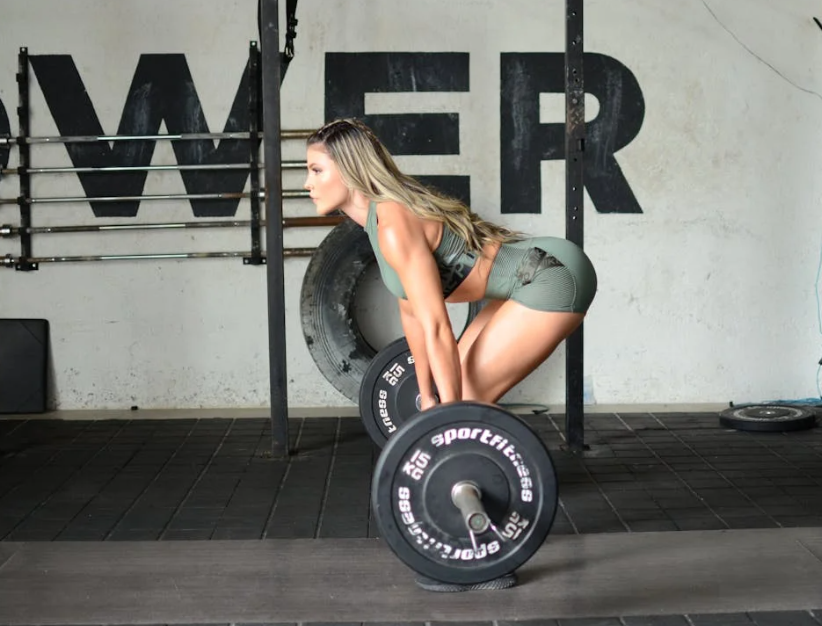
Thinking about lifting weights but not sure where to start? You’re in the right place. Whether your goal is to get stronger, lose fat, or simply feel more confident in your own skin, this beginner-friendly guide will walk you through everything you need to know—from myths to muscle.
Why Weight Lifting?
Physical Benefits
Lifting weights doesn’t just build muscle—it transforms your entire body. It increases bone density, boosts metabolism, burns fat, and improves balance and coordination. Want to carry groceries or chase your dog without getting winded? That’s the power of strength training.
Mental and Emotional Gains
Lifting gives you more than just physical gains. It’s a mental workout too. You’ll develop discipline, boost your mood (thanks, endorphins), and gain confidence as you hit new milestones. There’s something incredibly empowering about pushing your limits and realizing you’re capable of more than you thought.
Common Myths About Lifting Weights
“Lifting Will Make Me Bulky”
This one’s especially common among women. The truth? Gaining significant muscle mass requires years of specific training and nutrition. Most lifters become leaner and more toned—not bulky.
“Women Shouldn’t Lift Heavy”
Why not? Strength training is beneficial for everyone. It helps prevent osteoporosis, improves posture, and boosts metabolism. Lifting isn’t gendered—it’s human.
“Cardio Is Enough”
Cardio has its place, but lifting builds lean muscle, which burns more calories at rest. In other words, strength training turns your body into a fat-burning machine even while you binge Netflix.
Types of Weight Lifting
Free Weights vs. Machines
Free weights (like dumbbells and barbells) engage more muscles and improve coordination. Machines are great for beginners because they guide your movement. Ideally, your routine should include both.
Bodyweight Training
No equipment? No problem. Push-ups, squats, planks, and lunges are bodyweight classics that lay a solid foundation for strength training.
Choosing the Right Program
Define Your Goals
Are you looking to build muscle, burn fat, or just stay healthy? Your goal determines the program. Muscle gain? Focus on heavier weights and lower reps. Fat loss? Add circuits or supersets to keep your heart rate up.
Frequency and Duration
If you’re just starting out, aim for 2–3 sessions per week, 30–45 minutes each. Give your muscles time to recover between sessions.
Basic Lifting Techniques
Squat
The king of lower-body exercises. Keep your feet shoulder-width apart, chest up, and back straight. Don’t let your knees cave in. Go as low as your flexibility allows.
Deadlift
A full-body movement that targets your glutes, hamstrings, and back. Keep the bar close to your body, hinge at your hips—not your spine—and engage your core.
Bench Press
Targets chest, shoulders, and triceps. Keep your back slightly arched and feet planted. Lower the bar to mid-chest, not your neck.
Overhead Press
Strengthens shoulders and upper back. Stand tall, grip the bar slightly wider than shoulder-width, and press overhead with locked wrists.
Proper Form & Injury Prevention
Warm-Up & Stretching
Never skip your warm-up! A quick 5–10 minutes of light cardio followed by dynamic stretches primes your body for lifting. Post-workout static stretching helps with recovery.
Common Mistakes to Avoid
Avoid using momentum, ego lifting (lifting too heavy too soon), and neglecting rest days. Always prioritize form over weight.
Essential Equipment for Beginners
Home Gym Essentials
Start simple: dumbbells, a resistance band, and a yoga mat. If you have space and budget, a barbell and adjustable bench are game-changers.
Gym Gear Checklist
Grab comfortable workout clothes, supportive shoes, water, a towel, and headphones. Optional but helpful: weightlifting gloves, a lifting belt, or wrist wraps.
Structuring Your Workout Plan
Reps, Sets & Rest Periods
For strength: 4–6 reps, heavier weights, longer rest (2–3 minutes). For muscle growth: 8–12 reps, moderate weights, 60–90 seconds rest. For endurance: 12–15+ reps with lighter weights.
Progressive Overload
To keep growing, you need to challenge your muscles over time. Add more weight, increase reps, or improve form gradually. It’s not about going hard once—it’s about being consistent.
Nutrition & Recovery
Pre-Workout Nutrition
Fuel your body with a mix of carbs and protein 1–2 hours before training. Think: a banana with peanut butter or Greek yogurt with granola.
Post-Workout Recovery
Post-lift, your muscles need protein and carbs to rebuild. A protein shake with fruit, or a chicken wrap with veggies works great. And don’t forget water—hydration is key.
Staying Consistent & Motivated
Tracking Progress
Use a journal or app to log your workouts. Seeing progress, whether it’s more reps or better form, fuels motivation.
Finding a Support System
Join a fitness group, work with a trainer, or lift with a friend. Accountability boosts consistency, and having someone to share wins (and sore muscles) with makes it more fun.
Conclusion
Starting your weight lifting journey can be intimidating—but also incredibly rewarding. You don’t need to know everything on day one. All you need is the courage to start and the discipline to keep showing up. Lift smart, stay patient, and watch yourself get stronger—not just physically, but mentally too.
FAQs
1. How much weight should a beginner lift?
Start light—enough to complete your reps with good form but feel challenged by the last few reps. Form > ego.
2. Is it okay to lift weights every day?
Your muscles need time to recover. For beginners, 2–4 sessions per week is ideal. Recovery is part of the growth process.
3. Can I lose weight by lifting weights alone?
Yes! Building muscle boosts metabolism. Combine lifting with a calorie-controlled diet for best results.
4. What should I eat before lifting?
A combo of carbs and protein about 1–2 hours before training. Avoid heavy meals right before working out.
5. Do I need a gym membership to start lifting?
Not at all! Many effective routines use just bodyweight or minimal equipment. A gym is great—but not required.