shineandshape
Introduction: Beauty Isn’t Always Skin-Deep
Ever picked up a face cream that smelled amazing, felt silky, and promised “glow in 3 days”? You’re not alone. But behind those shiny labels and dreamy claims might be a cocktail of ingredients your skin—and health—would rather skip.
Understanding the Cosmetic Ingredient List
Flip over any bottle and you’ll see a tiny block of text filled with tongue-twisting names. That list? It’s not just filler—it’s everything you’re putting on your skin. Learning what those ingredients actually mean can save your skin and your long-term health.
Harmful Ingredients Lurking in Your Products
Let’s break down the usual suspects you might want to show the door.
Parabens: Preserving at a Cost
Parabens are commonly used to keep products shelf-stable. But they’re also known endocrine disruptors, which means they mess with your hormones.
Health Concerns Linked to Parabens
Studies have found parabens in breast tissue and linked them to reproductive issues. They’re sneaky too—they come in many forms: methylparaben, propylparaben, butylparaben, etc.
Phthalates: The Hidden Fragrance Toxin
Often disguised under the label “fragrance,” phthalates help scents last longer in products.
Hormonal Disruption and Reproductive Harm
The real kicker? Phthalates have been linked to fertility issues, developmental problems in children, and even increased breast cancer risk. And yet, they’re not even required to be disclosed on labels in many countries.
Formaldehyde & Formaldehyde-Releasers
Used in nail polishes, hair-smoothing treatments, and some cleansers, formaldehyde is a known human carcinogen.
Why They’re Still Found in Beauty Products
Here’s the catch: companies use ingredients like DMDM hydantoin or imidazolidinyl urea that release formaldehyde slowly over time. Tricky, right?
Sodium Lauryl Sulfate (SLS) & Sodium Laureth Sulfate (SLES)
They’re what make your shampoo foam up. But the bubbles come at a price.
Skin Irritation and Stripping Natural Oils
These surfactants can be harsh—causing dryness, irritation, and exacerbating conditions like eczema. Plus, SLES can be contaminated with 1,4-dioxane, a potential carcinogen.
Artificial Fragrances
They might smell heavenly, but “fragrance” is a broad category that can hide hundreds of unlisted chemicals.
Mystery Mixtures with Allergy Risks
From skin rashes to headaches, artificial fragrances can trigger all kinds of sensitivities. And without transparency, there’s no way to know what’s really inside.
Triclosan: Antibacterial or Anti-Healthy?
Once a common ingredient in soaps and toothpastes, triclosan has been increasingly banned—but still appears in some products.
Antibiotic Resistance and Hormonal Effects
It’s been tied to hormone disruption, and worse, may contribute to antibiotic resistance—a serious public health issue.
Common Myths About “Toxic” Beauty Ingredients
Let’s bust some myths while we’re here.
Not Everything Synthetic Is Bad
Synthetic doesn’t always mean dangerous. Some lab-made ingredients are actually purer and more effective than their natural counterparts.
Natural Doesn’t Always Mean Safe
Poison ivy is natural, too! “Natural” is a feel-good label, but it doesn’t guarantee safety or effectiveness.
How to Read Labels Like a Pro
You don’t need a chemistry degree, just a few tricks up your sleeve.
Key Red Flags to Look For
Watch out for long chemical names, especially those ending in “-paraben,” “-eth,” or listed simply as “fragrance.” Apps like Think Dirty or EWG Skin Deep can help decode them.
Cleaner Alternatives You Can Trust
Good news: the clean beauty revolution is well underway.
Certified Organic & EWG-Verified Products
Look for trusted seals like USDA Organic or EWG Verified. These labels mean the product passed stringent safety checks.
DIY Beauty Recipes (That Actually Work)
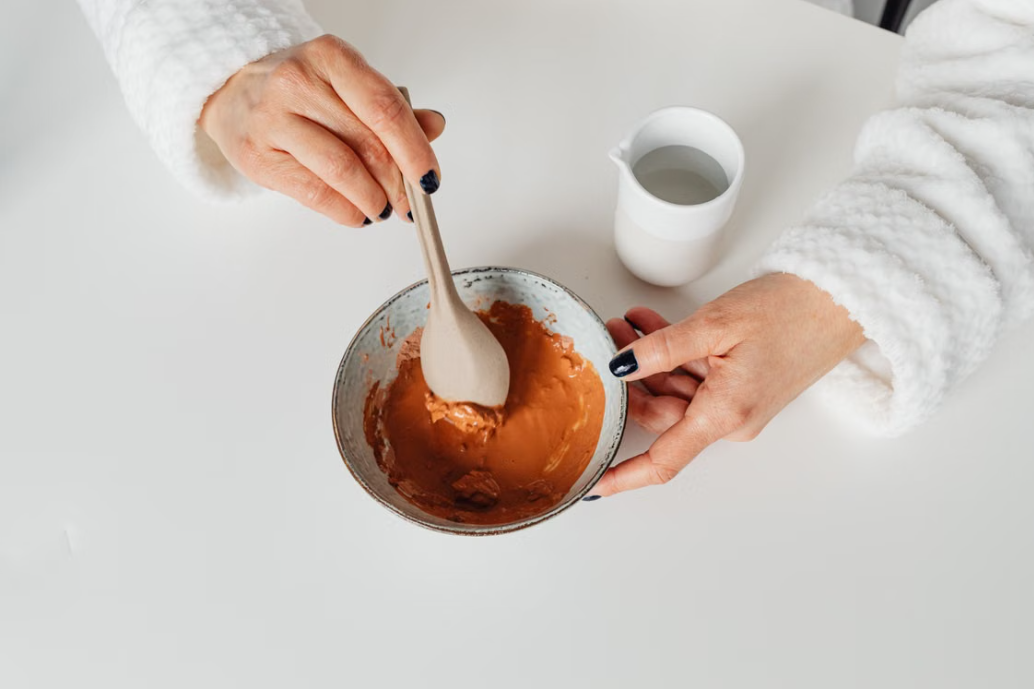
You can also take matters into your own hands. Simple masks made from oatmeal, honey, or yogurt can do wonders—no scary ingredients required.
Final Thoughts: Conscious Beauty Is Smart Beauty
At the end of the day, what we put on our skin is just as important as what we put in our bodies. Being ingredient-savvy doesn’t mean you have to sacrifice performance or luxury. It means making smarter choices for yourself, your health, and the planet.
FAQs
1. Are all parabens harmful?
While not all parabens are created equal, most have been flagged for potential hormonal effects. Better to avoid them when possible.
2. What’s the difference between “fragrance” and “essential oil”?
“Fragrance” is a blanket term with undisclosed chemicals. Essential oils are natural extracts, but they can still cause irritation if not used properly.
3. How can I tell if a product contains phthalates?
Unfortunately, they often hide under “fragrance.” Look for products that are labeled “phthalate-free.”
4. Are sulfate-free shampoos less effective?
Not at all! Many sulfate-free formulas clean just as well without stripping your hair and scalp.
5. Can clean beauty be affordable?
Absolutely. Brands like The Ordinary, Cocokind, and Acure offer clean products at budget-friendly prices.