shineandshape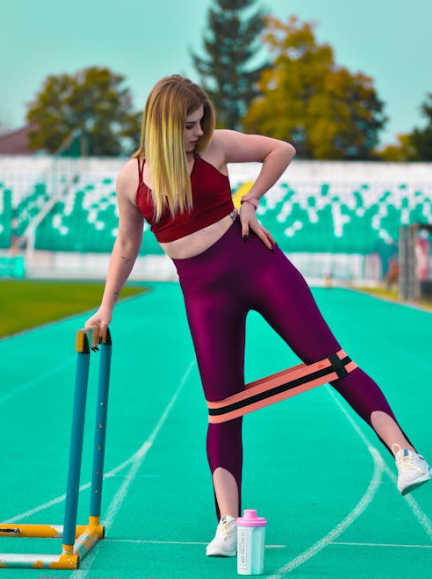
What Are Resistance Bands?
Resistance bands are elastic fitness tools designed to provide resistance during various forms of exercise. Typically made from latex or rubber, they come in different shapes, sizes, and resistance levels. Don’t let their simple appearance fool you—these stretchy bands can turn any room into a gym and any movement into a muscle-building challenge.
Types of Resistance Bands
Loop Bands
These are small, closed-loop bands often used for glute and leg activation exercises. They’re perfect for lateral movements, squats, and mobility drills.
Long Flat Bands
These are longer and wider bands, great for stretching, pull-up assistance, and full-body workouts.
Tube Bands
Tube bands are round and often come with handles. They’re designed for upper body resistance training and simulate free weight movements like curls or shoulder presses.
Handle Bands
With comfortable grips and interchangeable bands, these are ideal for intermediate to advanced workouts targeting multiple muscle groups.
Key Benefits of Resistance Bands
Portability & Storage
No bulky equipment, no clutter. Resistance bands can be tucked into a drawer, suitcase, or backpack. Whether you’re at home, traveling, or working out at the park—your gym comes with you.
Versatility in Workouts
From strength training and yoga to rehab and cardio, resistance bands cover it all. They adapt to your movements, support flexibility, and can be used solo or with other gear.
Budget-Friendly, High Results
Forget pricey machines. A quality set of bands often costs less than a single month’s gym membership—yet offers months (or years!) of strength gains.
Suitable for All Fitness Levels
Whether you’re a complete beginner or a seasoned athlete, resistance bands let you scale your workouts. Light, medium, heavy—choose your challenge.
Common Uses for Resistance Bands
Strength Training
Arm Workouts
Use resistance bands for bicep curls, tricep extensions, shoulder raises, and rows. You’ll build lean muscle and improve control without heavy weights.
Leg & Glute Workouts
Add bands to squats, lunges, donkey kicks, and hip bridges to intensify lower body sessions. Feel the burn and activate those glutes like never before.
Stretching & Rehabilitation
Great for physical therapy, resistance bands allow you to stretch safely and rebuild strength post-injury. They’re low-impact and joint-friendly.
Core Stability Exercises
Bands are sneaky core builders. Use them for resisted crunches, banded planks, or twisting movements to boost your balance and abdominal strength.
Resistance Bands vs. Free Weights
Better for Beginners?
Yes! Bands are safer, easier to control, and reduce injury risk. They help you learn proper form before progressing to heavier resistance.
Which Is More Effective?
It depends. Free weights are great for building raw power and mass. Bands provide constant tension and excel in functional, full-range movements. Combine both for best results.
How to Choose the Right Resistance Band
Resistance Levels
Most bands are color-coded: yellow (light), red (medium), blue (heavy), and black (extra heavy). Choose based on your strength level and the muscle group you’re targeting.
Materials & Brand Quality
Look for 100% natural latex or thermoplastic elastomer. Top brands like TheraBand, Fit Simplify, and Perform Better offer excellent durability and comfort.
Match Your Fitness Goals
Rehabbing an injury? Go for light, looped bands. Building muscle? Choose heavy, tube-style bands with handles.
Sample Resistance Band Workout Plans
Beginner Routine
- Squats – 3 sets x 12 reps
- Bicep Curls – 3 x 10
- Standing Rows – 3 x 12
- Glute Bridges – 3 x 15
Intermediate Challenge
- Lunges with Band – 3 x 12 (each leg)
- Tricep Kickbacks – 3 x 10
- Side Steps – 3 x 20
- Band-Resisted Crunches – 3 x 15
Advanced Full-Body Plan
- Band Thrusters – 4 x 10
- Deadlifts – 3 x 12
- Lateral Walks – 4 x 20
- Plank Pull-Aparts – 3 x 30 seconds
- Band Pull-Ups (Assisted) – 3 x 6
Care & Safety Tips
Cleaning & Storage
Wipe with a damp cloth after use. Avoid direct sunlight or extreme heat. Store in a dry, cool place to extend their life.
Usage Safety Tips
Inspect your bands before each workout. If there’s cracking or tearing, toss them. Secure them properly to prevent snapping back during exercise.
Conclusion
Resistance bands may look humble, but they pack a punch. They’re cost-effective, easy to use, and shockingly powerful in transforming your body. Whether you want to tone, stretch, or build muscle, these simple tools deliver big-time results. Don’t underestimate them—sometimes the smallest tools spark the biggest changes.
FAQs
1. Can resistance bands replace weights?
For many movements, yes! They offer constant tension, which is excellent for muscle engagement. But for building max strength, combine both.
2. How often should I use resistance bands?
3–5 times a week is ideal, depending on your recovery and workout intensity.
3. Are resistance bands safe for seniors?
Absolutely. They’re gentle on joints and great for maintaining strength, balance, and flexibility.
4. What muscles do resistance bands work?
Virtually all! They target arms, legs, core, chest, back, and even stabilizing muscles.
5. Do resistance bands wear out?
Over time, yes. Inspect regularly and replace every 6–12 months based on usage.