shineandshape
| Quick Stress Relief: 10 Tiny Habits That Calm the Mind |
Let’s get real.
Most stress today isn’t caused by emergencies—it’s caused by constant mental noise. Notifications, deadlines, expectations, unfinished thoughts. Even when nothing is “wrong,” your mind stays tense, alert, and exhausted.
The solution isn’t a two-week vacation or a radical life change.
It’s tiny habits—small, repeatable actions that calm the nervous system in real time.
Below are 10 science-aligned micro-habits that work like mental pressure valves. They’re fast. They’re practical. And they actually stick. |
Why Tiny Habits Work Better Than Big Solutions
Big solutions fail because they demand high motivation when motivation is already depleted. Meditation for 30 minutes sounds great—until stress makes even 3 minutes feel impossible.
Tiny habits work because:
- They require almost no willpower
- They create immediate feedback
- They bypass resistance
Think of them like tapping the brakes instead of slamming them. |
What Stress Really Is (And Why It Feels Constant)
Stress is not weakness.
Stress is your brain detecting uncertainty and loss of control.
Your nervous system evolved to handle short bursts of danger. But modern stress is continuous—emails, news, financial pressure, social comparison. The system never shuts off. |
The Nervous System Under Pressure
When stress dominates, your sympathetic nervous system stays active.
Calm happens when the parasympathetic system takes over.
Every habit below is designed to gently force that switch—without effort or struggle. |
How Micro-Habits Reset the Brain
Micro-habits work by interrupting stress loops. They give your brain a clear signal: “I’m safe right now.”
That signal lowers cortisol, slows heart rate, and reduces mental chatter. No mindset shift required. |
Habit 1: One-Minute Breathing Reset
Inhale for 4 seconds.
Pause for 2.
Exhale for 6.
Repeat 5 times.
That’s it. |
Why Breath Is the Fastest Calm Trigger
Slow exhalation directly activates the vagus nerve.
It’s the fastest way to tell your brain that the threat has passed—even if the “threat” is just your inbox. |
Habit 2: Flip Your Phone Face Down
Not turning it off.
Not deleting apps.
Just flipping it face down for 10 minutes.
This single move reduces cognitive interruption dramatically. |
Attention, Dopamine, and Mental Load
Every visible notification creates a mental “open loop.”
Even unread, it drains energy. Silence restores focus instantly. |
Habit 3: Micro-Movement for Instant Release
Stand up. Roll your shoulders. Stretch your neck.
Thirty seconds is enough.
Your body stores stress physically. Release the body, and the mind follows. |
Targeting Neck, Shoulders, and Lower Back
These areas tighten first under stress. Loosening them sends a safety signal upward to the brain. |
Habit 4: Write Down the One Thing Stressing You
Not a journal.
Not a plan.
Just one sentence.
You’re not solving it—you’re offloading it. |
Habit 5: Drink Water Before Anything Else
Mild dehydration increases cortisol.
Before coffee, before scrolling—drink water.
Stress often feels psychological but starts physiologically. |
Habit 6: Use a Personal “Pause Word”
Choose a phrase like:
“Not now.”
“This can wait.”
Repeat it when your thoughts spiral.
It creates cognitive distance without suppression. |
Habit 7: Reduce Sensory Input
Dim lights.
Lower volume.
Close extra tabs.
Your brain relaxes when stimulation drops—even slightly. |
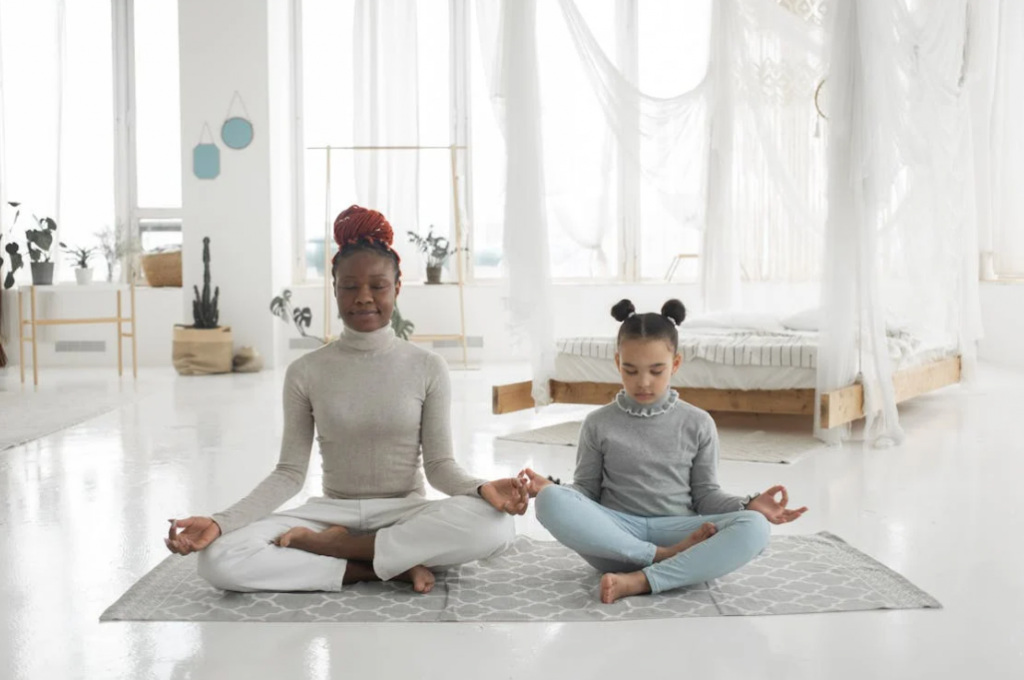
Habit 8: Five-Minute Space Reset
Clean one small area.
Desk. Bag. Counter.
Order in your environment reduces perceived chaos internally. |
Habit 9: Step Out of the Information Stream |
Why News and Social Media Amplify Anxiety
Your brain processes all threats as personal.
Constant exposure keeps your nervous system on edge—even if nothing affects you directly. |
Habit 10: A Nighttime Mental Shutdown Ritual
Choose one closing action:
Writing one sentence.
Stretching.
Turning off a lamp.
Repetition teaches your brain when the day ends. |
How to Turn These Habits Into Automatic Responses
Practice them before stress peaks.
Like a seatbelt—you don’t wait for the crash.
Over time, your nervous system learns a new default. |
Who This Stress Strategy Works Best For
- High-performers
- Chronic overthinkers
- People who “push through” stress
If you rely on willpower alone, these habits are your safety net. |
Conclusion
Calm isn’t the absence of pressure—it’s the ability to regulate it.
These 10 tiny habits won’t eliminate stress, but they will shrink its impact. They give you control in moments that usually feel overwhelming.
Pick one today.
Use it immediately.
That’s how calm is built—quietly, consistently. |
FAQs |
| Q1: Can these habits replace therapy?
No. They support daily regulation but don’t replace professional care when needed. |
| Q2: How many habits should I practice daily?
One or two consistently is better than all ten occasionally. |
| Q3: How fast do they work?
Many produce noticeable relief within minutes. |
| Q4: What if I forget to use them?
That’s normal. Practice during calm moments to build recall. |
| Q5: Are these methods scientifically supported?
Yes. They’re grounded in neuroscience, behavioral psychology, and stress physiology. |