shineandshape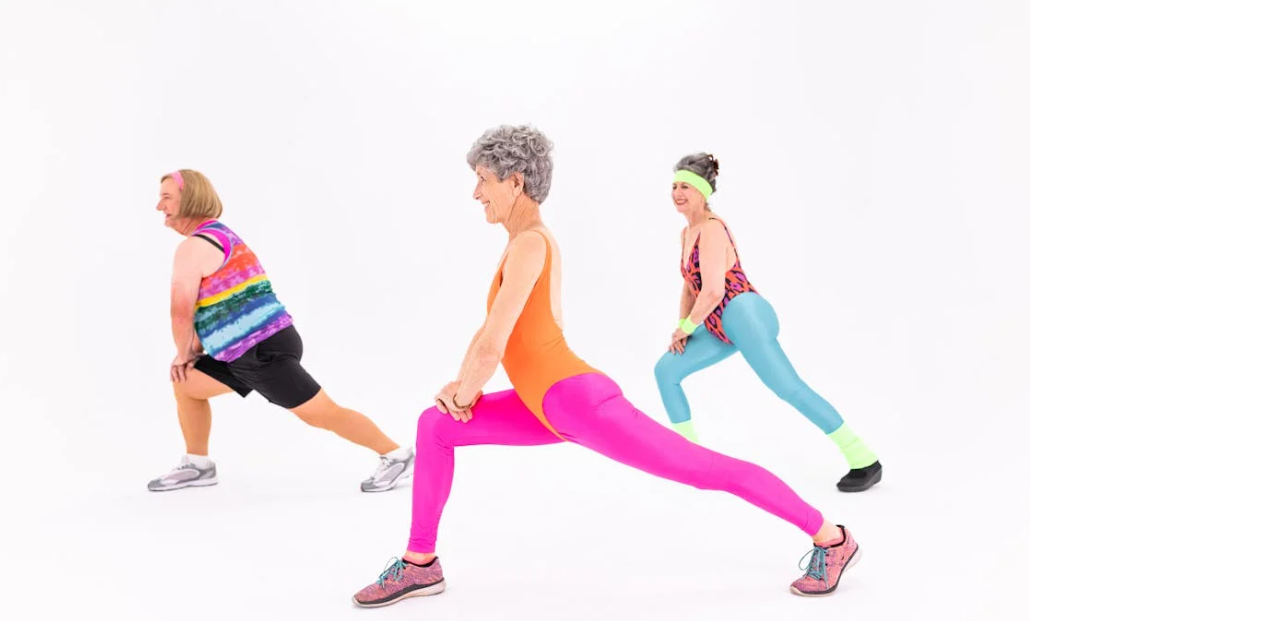
| ## Why Staying Active Is a Lifelong Priority |
| Staying active isn’t just about looking fit—it’s about living well for as long as possible. Physical activity supports heart health, preserves muscle, sharpens the mind, and improves mood. Think of movement like interest on a savings account: the earlier and more consistently you invest, the bigger the payoff later. But here’s the good news—it’s never too late to start. |
| ## Understanding Health Across Different Life Stages |
| Your body changes with time, but the need for movement never disappears. What changes is how you move and why it matters. |
| ### Health in Your 20s and 30s |
| This is the foundation-building phase. Your metabolism is relatively high, recovery is faster, and your body adapts quickly. The goal here is to develop strong habits—regular exercise, balanced nutrition, and adequate sleep. Mistakes made now tend to show up later, so consistency matters more than intensity. |
| ### Health in Your 40s and 50s |
| Muscle mass and flexibility naturally begin to decline. Stress levels often rise. This is where smart training becomes essential. Strength training, mobility work, and recovery take center stage. You’re no longer exercising just for performance—you’re exercising for longevity. |
| ### Health in Your 60s and Beyond |
| Movement becomes a key factor in independence. Balance, joint health, and muscle preservation help prevent falls and maintain quality of life. At this stage, exercise isn’t optional—it’s protective medicine. |
| ## The Science Behind Movement and Longevity |
| Research consistently shows that regular physical activity reduces the risk of heart disease, diabetes, cognitive decline, and even certain cancers. Exercise improves insulin sensitivity, reduces inflammation, and enhances brain plasticity. Simply put, movement keeps your systems talking to each other. |
| ### How Exercise Affects the Body and Brain |
| Exercise increases blood flow, delivering oxygen and nutrients to tissues. In the brain, it boosts endorphins and neurotrophic factors that support memory and learning. Ever notice how a walk clears your head? That’s biology doing its job. |
| ### Why Muscle Matters at Every Age |
| Muscle is metabolically active tissue. It helps regulate blood sugar, supports joints, and protects against injury. Losing muscle with age—called sarcopenia—is not inevitable. Resistance training slows or even reverses it. |
| ## Core Pillars of Staying Active and Healthy |
| No matter your age, these principles stay the same. |
| ### Consistency Over Intensity |
| You don’t need extreme workouts. What you need is regular movement. A 30-minute walk done daily beats a punishing workout done once a month. Think of fitness like brushing your teeth—small, daily actions compound. |
| ### Balance, Strength, and Mobility |
| Cardio keeps your heart strong. Strength training keeps your body functional. Mobility keeps you pain-free. Skip one, and the system becomes unstable—like a three-legged stool missing a leg. |
| ## Best Types of Exercise for All Ages |
| A well-rounded routine includes multiple forms of movement. |
| ### Cardiovascular Activities |
| Walking, cycling, swimming, and dancing improve heart health and endurance. These activities are scalable—you can increase speed or duration as fitness improves without excessive strain. |
| ### Strength Training |
| Bodyweight exercises, resistance bands, and weights all count. Strength training 2–3 times per week preserves muscle, supports bone density, and improves posture. And no, lifting weights won’t make you bulky—it’ll make you resilient. |
| ### Flexibility and Mobility Work |
| Mobility keeps joints healthy and movement smooth. It’s the oil in the engine. |
| #### Stretching |
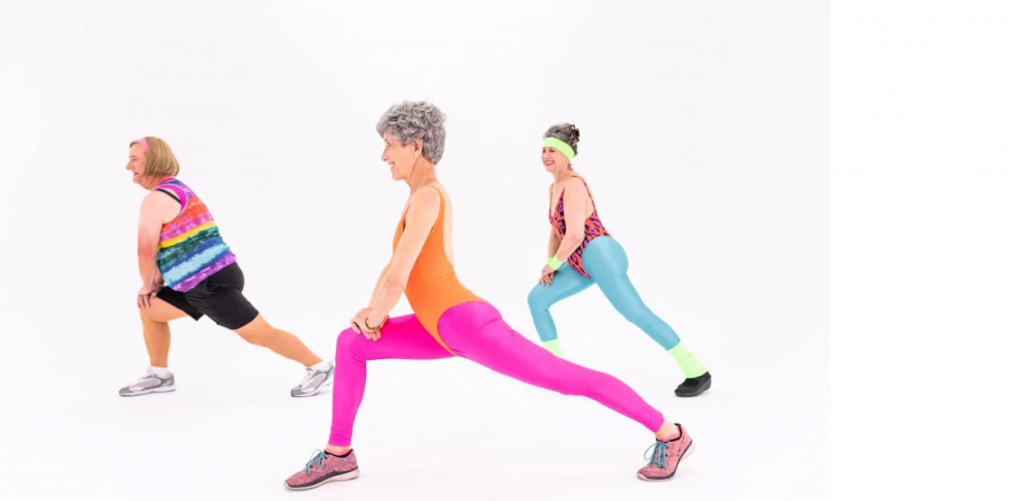
| Gentle daily stretching improves range of motion and reduces stiffness, especially after long periods of sitting. |
| #### Yoga and Pilates |
| These practices combine strength, balance, and flexibility while reducing stress. They’re especially valuable as you age. |
| ## Adapting Fitness to Your Age and Ability |
| The smartest workout is the one that fits your body today—not the one you did 10 years ago. |
| ### Low-Impact Options for Joint Health |
| Swimming, rowing, elliptical training, and walking reduce joint stress while still delivering cardiovascular benefits. Perfect for beginners or anyone managing joint pain. |
| ### Progression Without Injury |
| Progress slowly. Increase volume or intensity by no more than 10% per week. Pain is feedback, not a badge of honor. Listen to it. |
| ## Nutrition: Fueling an Active Life |
| You can’t out-exercise poor nutrition. Food is fuel, repair material, and communication system all in one. |
| ### Protein, Hydration, and Micronutrients |
| Protein supports muscle repair. Hydration keeps joints lubricated and energy levels stable. Vitamins and minerals—especially calcium, vitamin D, and magnesium—support bone and muscle function. |
| ### Eating for Energy and Recovery |
| Balanced meals with protein, healthy fats, and complex carbohydrates support workouts and speed recovery. Skipping meals is like driving with an empty tank—you won’t get far. |
| ## Mental Health and Physical Activity |
| Movement is one of the most powerful tools for mental health. Regular exercise reduces anxiety, improves sleep, and boosts confidence. It reminds you that your body is capable—and that belief carries into every area of life. |
| ## Common Barriers—and How to Overcome Them |
| “No time,” “too tired,” and “too old” are common excuses—but they’re stories, not facts. Short workouts count. Low-energy days still benefit from gentle movement. And age? That’s just a variable, not a limitation. |
| ## Building Healthy Habits That Stick |
| Start small. Attach new habits to existing routines. Track progress, not perfection. Motivation fades, but habits remain. Make movement part of who you are, not something you occasionally do. |
| ## Conclusion |
| Staying active and healthy isn’t about chasing youth—it’s about protecting your future self. No matter your age, your body is designed to move, adapt, and improve. With consistent activity, smart nutrition, and realistic expectations, you can build strength, energy, and resilience for decades to come. The best time to start was years ago. The second-best time? Today. |
| ## FAQs |
| 1. Is it safe to start exercising later in life?
Yes. With proper guidance and gradual progression, exercise is safe and highly beneficial at any age. |
| 2. How much exercise do I really need each week?
Aim for at least 150 minutes of moderate activity plus 2 strength sessions per week. More is helpful, but consistency matters most. |
| 3. Can walking alone keep me healthy?
Walking is excellent for cardiovascular health, but adding strength and mobility work creates a more complete fitness foundation. |
| 4. What’s the best exercise for aging joints?
Low-impact activities like swimming, cycling, and yoga protect joints while maintaining strength and mobility. |
| 5. How do I stay motivated long-term?
Focus on how movement makes you feel, not just how it makes you look. Enjoyment is the strongest form of motivation. |