shineandshape
| ## What Is a Capsule Wardrobe? |
| A capsule wardrobe is a carefully curated collection of clothing designed to maximize outfit combinations while minimizing the number of items you own. Instead of drowning in options you rarely wear, a capsule wardrobe focuses on pieces you actually love and regularly use. Think of it like a greatest-hits album for your closet—every item earns its place. |
| ## Why Capsule Wardrobes Are More Relevant Than Ever |
| In a world of fast fashion, decision fatigue, and overflowing closets, capsule wardrobes offer clarity. They save time, reduce waste, and create a more intentional relationship with clothing. When everything you own works together, getting dressed becomes effortless instead of overwhelming. |
| ### The Psychology of Fewer Choices |
| More choices don’t equal more happiness. In fact, studies show that too many options increase stress. A capsule wardrobe reduces daily decision-making, freeing mental energy for more important things—like work, creativity, or simply enjoying your day. |
| ### Sustainability and Smart Consumption |
| Capsule wardrobes naturally reduce overconsumption. Fewer purchases mean less waste, fewer impulse buys, and a smaller environmental footprint. It’s fashion with a conscience—without sacrificing style. |
| ## Core Principles of a Capsule Wardrobe |
| Before building anything, you need to understand the rules of the game. |
| ### Quality Over Quantity |
| One well-made blazer beats five poorly constructed ones. Quality fabrics last longer, fit better, and age gracefully. A capsule wardrobe is an investment, not a shortcut. |
| ### Versatility Is Non-Negotiable |
| Every piece should work with at least three others. If it only matches one outfit, it doesn’t belong in a capsule. Think LEGO blocks, not puzzle pieces. |
| ### Timeless Over Trendy |
| Trends expire. Style doesn’t. Capsule wardrobes prioritize classic silhouettes that remain relevant year after year. You’re building a wardrobe that grows with you, not one that chases every seasonal hype. |
| ## Step-by-Step Guide to Building a Capsule Wardrobe |
| Let’s break this down into actionable steps. No guesswork. No overwhelm. |
| ### Step 1: Define Your Lifestyle and Needs |
| Start with reality, not fantasy. How do you actually live? Office job? Remote work? School runs? Weekend brunches? Your wardrobe should support your daily life—not the version of you that goes to black-tie events every weekend. |
| ### Step 2: Choose a Color Palette |
| Color harmony is the secret sauce of a successful capsule wardrobe. |
| #### Neutral Colors as the Foundation |
| Neutrals like black, white, beige, gray, and navy form the backbone of your wardrobe. They mix effortlessly and create visual consistency. |
| #### Accent Colors for Personality |
| Add 1–3 accent colors that reflect your personality—olive green, burgundy, soft blue, or rust. These keep your wardrobe from feeling boring while staying cohesive. |
| ### Step 3: Audit Your Current Wardrobe |
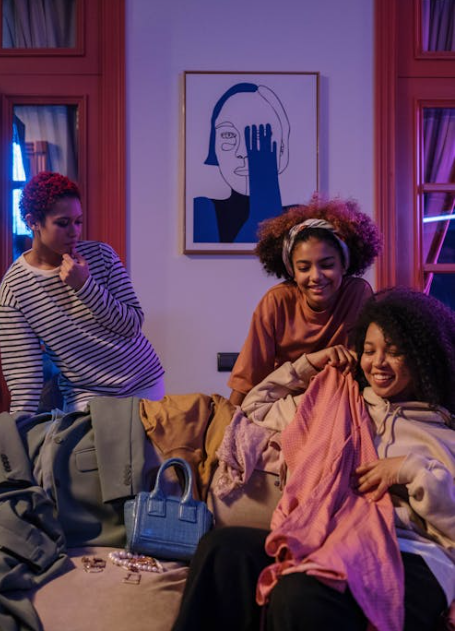
| Pull everything out. Yes, everything. Sort items into three piles: love, maybe, and no. Be ruthless. If it doesn’t fit, flatter, or function—it goes. This step alone often reveals how few clothes you actually need. |
| ### Step 4: Select Capsule Essentials |
| A typical capsule wardrobe contains 30–40 items per season, excluding workout wear and special occasion outfits. |
| #### Tops |
| Think classic tees, button-downs, knit sweaters, and versatile blouses. Prioritize neutral colors and comfortable fabrics. |
| #### Bottoms |
| Well-fitting jeans, tailored trousers, skirts, or shorts depending on climate and lifestyle. Fit matters more than brand here. |
| #### Outerwear |
| A structured blazer, a casual jacket, and a weather-appropriate coat are usually enough. These pieces anchor outfits visually. |
| #### Shoes |
| Limit shoes to function-focused styles: casual sneakers, professional flats or loafers, boots, and one dressier option. Comfort is non-negotiable. |
| ## Capsule Wardrobe by Season |
| Your capsule should evolve with the weather—not fight it. |
| ### Spring & Summer Capsules |
| Lighter fabrics, breathable materials, and brighter accents dominate warm-weather capsules. Focus on layering-friendly pieces and versatile dresses or shorts. |
| ### Fall & Winter Capsules |
| Heavier knits, coats, boots, and deeper colors take center stage. Layering becomes essential, so choose pieces that stack well without bulk. |
| ## Capsule Wardrobe for Different Lifestyles |
| One size never fits all. Let’s customize. |
| ### Workwear Capsules |
| Office capsules prioritize blazers, trousers, neutral tops, and polished shoes. The goal is maximum professionalism with minimal repetition. |
| ### Casual & Weekend Capsules |
| Relaxed silhouettes, denim, sneakers, and easy layers rule here. Comfort leads, but cohesion still matters. |
| ## Common Capsule Wardrobe Mistakes to Avoid |
| Buying duplicates, choosing trendy items, ignoring fit, or building a capsule too fast are common pitfalls. A capsule wardrobe is refined over time, not built overnight. |
| ## How to Maintain and Refresh Your Capsule |
| Reassess your capsule every 3–4 months. Replace worn items, rotate seasonal pieces, and refine based on what you actually wore. Think evolution, not reinvention. |
| ## Conclusion |
| A capsule wardrobe isn’t about restriction—it’s about freedom. Freedom from clutter, decision fatigue, and wasteful shopping. When every item works together, style becomes simple, intentional, and deeply personal. Build slowly, choose wisely, and let your wardrobe serve you, not the other way around. |
| ## FAQs |
| 1. How many items should a capsule wardrobe have?
Most capsules contain 30–40 pieces per season, but quality and usability matter more than numbers. |
| 2. Can I include trendy items in a capsule wardrobe?
Yes—sparingly. Trends should be accessories, not foundations. |
| 3. Is a capsule wardrobe expensive to build?
Not necessarily. It saves money long-term by reducing impulse purchases and replacements. |
| 4. Do capsule wardrobes work for all ages?
Absolutely. Style principles apply universally; only preferences change. |
| 5. How often should I replace items?
Only when they wear out or no longer fit your lifestyle. Longevity is the goal. |