shineandshape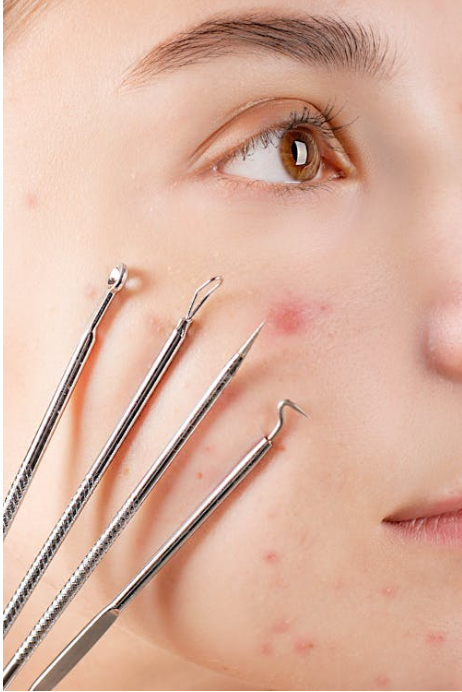
| How to Get Rid of Acne for Good: Proven Skincare Tips |
| Introduction (Why this guide is different) |
| Acne is frustrating, persistent, and often feels deeply personal — like your skin is staging a mutiny. But the good news? Acne is treatable. Not every approach works for every person, but by understanding causes, avoiding common mistakes, using evidence-backed ingredients, and knowing when to see a professional, you can dramatically reduce breakouts and keep skin clearer long term. This article gives a step-by-step, practical plan — backed by dermatology principles — to help you get rid of acne for good. Ready? Let’s demystify acne. |
Understanding Acne: A Quick Primer
Before you fight an enemy, know its tactics. Acne forms when hair follicles (pores) get clogged with oil (sebum), dead skin cells, and bacteria. That congestion fuels inflammation and the visible lesions you see: whiteheads, blackheads, pimples, and sometimes painful cysts.
Types of Acne (Comedonal, Inflammatory, Cystic)
- Comedonal acne: blackheads and whiteheads — primarily caused by clogged pores.
- Inflammatory acne: red, swollen pimples often filled with pus.
- Cystic acne: deep, painful nodules under the skin — harder to treat and more likely to scar.
Knowing your type helps pick targeted treatments — cystic acne usually needs a different approach than occasional pimples.
What Actually Causes Breakouts (Oil, Bacteria, Inflammation)
Three players team up: excess sebum, dead skin buildup, and bacteria (Cutibacterium acnes). When these meet, the body mounts an inflammatory response — redness, swelling, and pus. Hormones, genetics, diet, and external irritants influence how active each player is.
The Hormone Connection: Why Flare-ups Happen
Androgens (male hormones present in everyone) increase sebum production. That’s why teenage years, menstrual cycles, and certain hormonal conditions lead to flare-ups. Think of hormones as the volume knob on oil production — turn it up, and the pore gets louder.
Genetic and Environmental Triggers
Some people inherit oilier skin or more reactive inflammation. Environmental factors — humidity, certain cosmetics, friction from helmets or masks — can trigger or worsen acne.
Common Mistakes That Make Acne Worse
Want to speed up healing? Stop doing these things.
Over-washing, Over-exfoliating, Picking
Scrubbing or washing frequently irritates skin and strips protective lipids, which can paradoxically increase oil production. Picking or popping spreads bacteria deeper and raises the risk of scarring. Treat your skin like a garden — hands off, gentle watering, no digging.
Wrong Products for Your Skin Type
Using heavy creams, pore-clogging oils, or alcohol-laden toners can worsen acne. Labels like “natural” or “organic” don’t guarantee non-comedogenicity. Always look for “non-comedogenic” and check ingredient lists.
A Proven Daily Skincare Routine to Control Acne
A consistent, simple routine beats random product-hopping. Here’s a starter plan that works for most people with acne-prone skin.
Cleanse: How and When
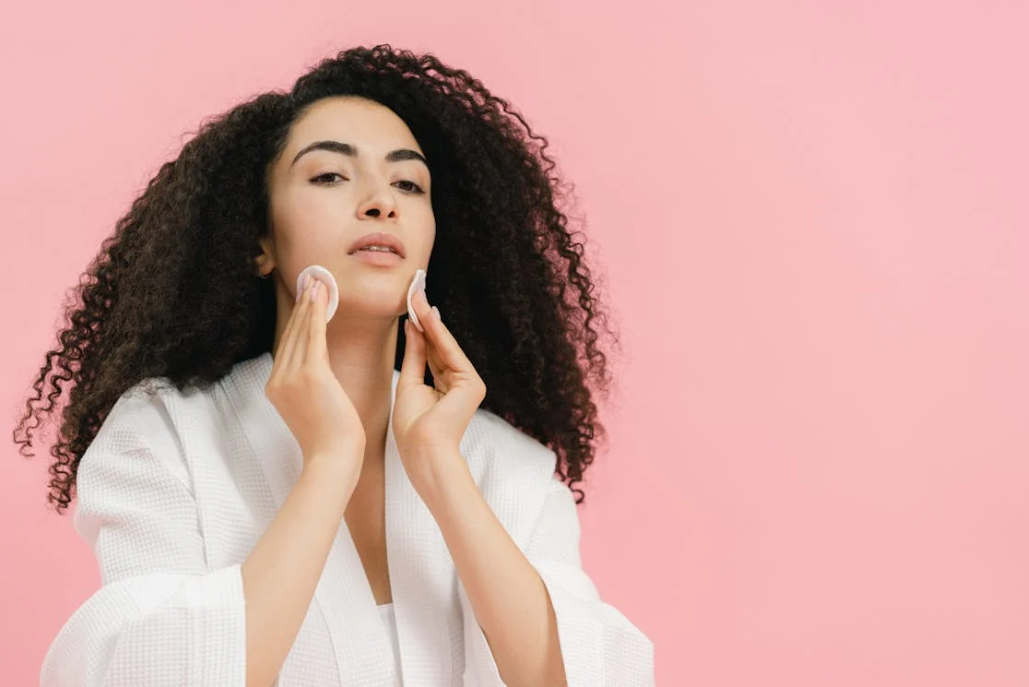
- Cleanse twice daily (morning and evening) with a gentle, pH-balanced cleanser.
- After sweating (e.g., workouts), rinse sooner. Sweat traps debris; don’t let it bake on the skin.
- Do not use harsh bar soaps or abrasive brushes if you have inflamed acne.
Exfoliate: Chemical vs. Physical
Chemical exfoliants (salicylic acid, AHAs) dissolve dead skin and penetrate pores. Physical scrubs can be too abrasive and cause microtears. Think of chemical exfoliants as precision scalpels and scrubs as blunt hammers — one refines, the other risks injury.
Treat: Active Ingredients That Work
Here’s where the science shines. Several topical actives have strong evidence:
Benzoyl Peroxide: How to Use Safely
- What it does: Kills acne-causing bacteria and reduces inflammation.
- How to use: Start with 2.5% once daily; increase to 5% if tolerated. Use at night or mix into your evening routine. Patch-test first. It can bleach fabrics and irritate sensitive skin — use alongside a moisturizer.
Salicylic Acid: Best Uses and Limits
- What it does: A beta-hydroxy acid (BHA) that penetrates oily pores to dissolve sebum and dead skin.
- How to use: Use 0.5–2% leave-on serums or cleansers. Avoid combining with strong retinoids initially to reduce irritation.
Topical Retinoids: Prevention and Repair
- What they do: Normalize skin cell turnover, prevent clogged pores, and reduce inflammation — essential for long-term control and scar prevention.
- How to use: Start with a low-strength retinoid (e.g., tretinoin, adapalene 0.1%). Apply at night, use sunscreen during the day (retinoids increase sun sensitivity). Expect 6–12 weeks for visible improvement; initial irritation is common but usually manageable with gradual introduction.
Moisturize: Why Oil-Free Doesn’t Mean Dry
A lightweight, non-comedogenic moisturizer maintains the skin barrier and reduces irritation from actives. Ingredients like ceramides and niacinamide soothe and strengthen the barrier.
Sunscreen: Non-negotiable for Acne Treatment
Many acne treatments increase sun sensitivity and risk of pigmentation. Use a broad-spectrum SPF 30+ every day. Choose mineral sunscreens (zinc oxide, titanium dioxide) or oil-free chemical formulas labeled non-comedogenic.
Professional Treatments That Speed Results
When homecare stalls, in-office options accelerate results.
In-office Procedures: Peels, Lasers, Microneedling
- Chemical peels (salicylic, glycolic) remove superficial layers and reduce comedones.
- Laser and light therapies target bacteria and inflammation.
- Microneedling helps with scarring by stimulating collagen. These are best done by dermatologists or trained providers and often paired with topical regimens.
When Oral Medications Are Needed (Antibiotics, Isotretinoin, Hormonal Therapy)
- Oral antibiotics can control moderate inflammatory acne short-term (use with topical therapy to reduce resistance).
- Oral contraceptives and spironolactone help hormonally driven acne in people with cycles.
- Isotretinoin (Accutane) is a powerful, often definitive treatment for severe cystic acne — it requires monitoring and discussion of risks/benefits with a dermatologist. If your acne deeply scars or resists standard treatment, seek specialist care.
Lifestyle Changes That Help Clear Skin for Good
Diet and Acne: What Evidence Says
Emerging evidence links high-glycemic diets and high dairy intake with acne in some people. Try reducing sugary, highly processed carbs and notice changes over 6–12 weeks. A low-glycemic, whole-food diet often helps; it’s not a miracle cure, but it can lower flare frequency for many.
Sleep, Stress, and Exercise
Chronic stress raises cortisol and can worsen inflammation. Aim for consistent sleep, stress-management practices (breathwork, meditation), and regular exercise. Don’t skip cleansing after workouts.
Preventing Scars and Long-Term Maintenance
Early Intervention and Scar-minimizing Steps
The best way to avoid scars is to treat acne early and avoid picking. For existing scars, treatments like fractional lasers, microneedling, and professional chemical peels can improve texture — but expect multiple sessions.
Building a Sustainable, Personalized Plan
Consistency wins. A core routine — gentle cleanse, targeted active (salicylic/benzoyl/retinoid), moisturizer, sunscreen — used faithfully for months will show results. Track progress with photos every 4 weeks. If irritation or no improvement occurs after 3 months, escalate to a dermatologist.
Busting Myths: What Doesn’t Work (And Why)
- “Wash more and acne will stop.” Over-washing irritates and can worsen oil production.
- “Toothpaste clears pimples.” Toothpaste contains irritants — it may dry a spot but increases inflammation and risk of scarring.
- “Natural = better.” Many natural oils clog pores; “natural” lacks regulation. Focus on evidence-backed actives.
Quick Checklist: Steps to Follow Today
- Switch to a gentle, non-comedogenic cleanser.
- Add one active ingredient (pick salicylic acid or benzoyl peroxide) and patch-test.
- Use a lightweight, non-comedogenic moisturizer.
- Apply daily SPF 30+.
- Avoid picking; stop abrasive scrubs.
- Take photos to track progress.
- If moderate-severe or scarring: book a dermatologist visit.
Conclusion
Acne is not a life sentence. By understanding how breakouts form, avoiding common mistakes, committing to a consistent routine with proven ingredients (benzoyl peroxide, salicylic acid, topical retinoids), making sensible lifestyle adjustments, and seeking professional care when needed, you can significantly reduce — and often eliminate — acne long term. Think of acne care like tending a garden: remove the weeds (clogging and bacteria), feed the soil (repair the barrier), and protect the seedlings (sun protection and gentle care). It takes patience and consistency, but the payoff is healthier, clearer skin that endures.
Note: This article provides general information and is not a substitute for professional medical advice. If you have severe, cystic acne, or suspect medication side effects or hormonal issues, consult a dermatologist.
FAQs
Q1: How long before I see results from acne treatment?
A1: Expect to see initial changes in 4–6 weeks, but meaningful improvement usually takes 8–12 weeks. Retinoids may take up to 12 weeks to show full benefits. Patience and consistent use are crucial.
Q2: Can diet alone clear my acne?
A2: Diet can influence acne for some people — lowering high-glycemic foods and reducing certain dairy intake helps some individuals. However, diet alone rarely clears acne completely; combine dietary changes with topical care.
Q3: Is it safe to combine benzoyl peroxide and a retinoid?
A3: Yes, but use them carefully. Benzoyl peroxide can oxidize and irritate; apply one in the morning (benzoyl peroxide) and a retinoid at night, or use formulations designed to be combined. Always monitor for irritation and adjust frequency.
Q4: When should I see a dermatologist?
A4: See a dermatologist if you have cystic, painful acne, rapid scarring, or if over-the-counter measures fail after 3 months. Also seek professional advice if considering systemic treatments like isotretinoin.
Q5: How can I reduce acne scarring?
A5: Prevent scars by treating acne early and avoiding picking. For existing scars, consult a dermatologist about microneedling, lasers, chemical peels, or fillers — a combination approach often yields the best results.