shineandshape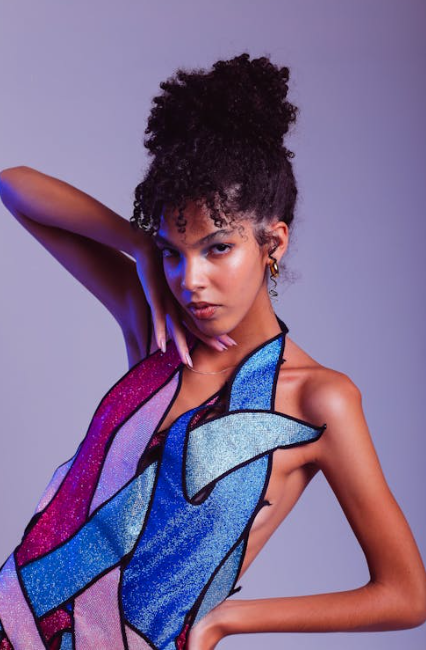
When it comes to achieving success, your appearance plays a bigger role than you might think. Whether you’re heading into a job interview, meeting with clients, or showing up on a Zoom call, the way you present yourself speaks volumes before you even say a word.
Let’s dive into the practical and stylish world of dressing for success—no fluff, just actionable fashion advice for real people with real goals.
Why Dressing Well Matters
First Impressions Are Lasting
You only get one shot at a first impression. According to studies, people form opinions about you within seconds of meeting you. What you wear is one of the first things they notice. A sharp outfit says you’re confident, detail-oriented, and serious about what you do.
Style Boosts Confidence
Ever notice how you walk taller when you’re wearing something you love? That’s because good style fuels confidence. It doesn’t mean you need designer brands—just clean, intentional choices that fit and flatter you.
The Foundations of a Powerful Wardrobe
Fit Is Everything
No matter your style or budget, the most important rule in fashion is this: wear clothes that fit you well. Baggy shirts or overly tight pants send the wrong message. Get things tailored if you need to—yes, it’s worth it.
Simplicity Is Key
You don’t need a wild color palette or loud patterns to stand out. In fact, simplicity often wins. Stick with clean lines, neutral colors, and classic silhouettes. Think “timeless,” not “trendy.”
Dress for Your Industry
Not every workplace calls for a suit and tie. A software engineer may look out of place in a tuxedo. Understand what’s expected in your field and elevate it. Slightly overdressing is usually better than underdressing.
Men’s Style: Dressing for Success
Essential Pieces Every Man Needs
Let’s build a success wardrobe from the ground up. Start with these staples:
- A well-fitted suit in navy or charcoal
- Crisp white and light blue shirts
- Leather dress shoes
- A solid-color tie
- A quality belt and watch
Choosing the Right Suit
Stick with classic colors like navy, charcoal, or grey. Avoid anything too flashy. Your suit should contour your body without pulling at the buttons or sagging at the shoulders.
Shirt Colors and Patterns That Work
White, light blue, and subtle pinstripes are always safe bets. Make sure your shirt complements your suit—not competes with it.
The Power of Accessories
Accessories can make or break your look. Invest in a sturdy leather belt, polished shoes, and a minimalist watch. Avoid overly branded items—they scream more flash than class.
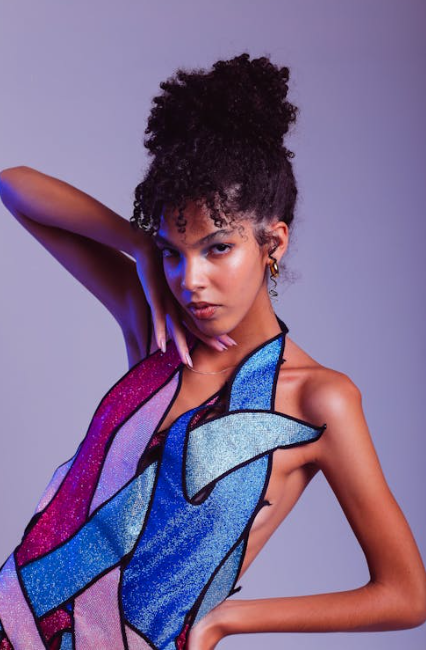
Women’s Style: Looking Sharp and Professional
Skirts vs. Pants: Which Should You Choose?
There’s no right or wrong—both can be stylish and appropriate. It comes down to comfort, body type, and the message you want to send.
Styling a Professional Skirt Outfit
A-line or pencil skirts paired with a tucked-in blouse work wonders. Throw on a blazer and you’ve nailed the power look.
Rocking a Pant Suit with Confidence
Pant suits are powerful—no doubt about it. Stick with tailored pants that hit right at the ankle, and pair with a sleek blazer for that “I mean business” energy.
Accessories that Speak Volumes
Choose structured handbags, minimal jewelry, and classic pumps or loafers. One standout piece—like a silk scarf or designer belt—can elevate your entire outfit.
Dressing for Success in a Hybrid or Remote World
Video Call Styling Tips
Just because you’re working from home doesn’t mean pajama pants are the way to go. Focus on the upper half—clean tops, neat hair, and good lighting can do wonders.
Comfort Meets Professionalism
Opt for breathable fabrics like cotton or knits that look polished but feel like loungewear. Button-down shirts and soft blazers are your best friends.
Seasonal Styling Tips
Spring & Summer Essentials
- Lightweight blazers
- Linen pants or skirts
- Pastel or light neutrals
- Loafers or breathable flats
Fall & Winter Must-Haves
- Wool coats
- Turtlenecks under blazers
- Darker tones like burgundy, navy, and black
- Leather boots
Common Mistakes to Avoid
Overdoing Trends
Trendy doesn’t always mean appropriate. Skip the neon suits or oversized logos if you’re going for a polished, timeless look.
Ignoring Grooming and Maintenance
Wrinkled shirts, scuffed shoes, or messy hair can undo even the most expensive outfit. Grooming is part of dressing for success—don’t ignore it.
Final Thoughts
Dressing for success is more than just following fashion rules—it’s about expressing your best self to the world. When you feel good in your clothes, you act like you belong in the room. So whether you’re stepping into a boardroom, hopping on a Zoom call, or meeting someone new, remember: your outfit is your armor. Wear it wisely.
FAQs
Q1: Do I need to buy designer clothes to dress for success?
Nope! It’s all about fit, cleanliness, and confidence. You can look sharp with budget-friendly pieces if they’re styled right.
Q2: What’s the best color to wear to an interview?
Navy, gray, and black are great options. They convey professionalism and are easy to pair.
Q3: Can I wear sneakers and still look professional?
Yes—if they’re clean, minimal, and paired smartly (like with tailored pants and a blazer).
Q4: How do I build a work wardrobe on a budget?
Start with key staples like a neutral blazer, well-fitting pants, and versatile shoes. Thrift shops and sales are goldmines!
Q5: Is personal style still important in corporate dressing?
Absolutely. Just balance self-expression with professionalism. Add a unique tie, necklace, or pop of color to showcase your personality.