shineandshape
Introduction: Ditching the Crunch
Let’s be real—crunches are the first thing that pops into your mind when you think of ab exercises, right? But here’s the kicker: they’re not the most efficient way to build a strong, defined core. In fact, you can sculpt impressive abs without doing a single crunch. Sounds wild? Stick with me.
Why Crunches Aren’t the Best for Everyone
Common Misconceptions
Crunches have long been marketed as the holy grail of ab workouts. But truth bomb: doing endless crunches won’t magically reveal your six-pack. Why? Because core strength and ab visibility are more about overall fat loss and total-body engagement than just isolating one muscle group.
Risks and Limitations of Crunches
They’re not just overrated—they can be risky. Improper form strains your neck and back, especially if you’re doing them in a rush or with poor posture. Plus, they don’t target the deep core muscles that are essential for real strength and stability.
Understanding Core Anatomy
What “Abs” Really Are
When people say “abs,” they often mean the rectus abdominis—the sexy six-pack muscle. But the core is so much more: think obliques, transverse abdominis, and even your glutes and lower back. It’s like the support system of your entire torso.
Why You Need to Train the Whole Core
Targeting only one part (like the rectus) is like training only your biceps and ignoring the rest of your arms. A strong core means engaging your entire midsection to stabilize, twist, lift, and move effectively.
Diet: The Foundation of Visible Abs
Abs Are Made in the Kitchen
Yep, the rumors are true. No matter how strong your core is, it won’t show through a layer of fat. You’ve got to get lean enough for those muscles to peek through—and that starts with your plate.
Calorie Deficit and Macronutrients
To drop body fat, you need to burn more calories than you consume. Focus on whole foods, prioritize protein (which helps retain muscle), and don’t fear healthy fats—they keep you full longer.
Hydration and Digestion
Drink water like it’s your job. It aids digestion, reduces bloating, and helps your body metabolize fat. Gut health also plays a surprisingly big role in how your midsection looks and feels.
Non-Crunch Ab-Sculpting Exercises
Planks and Their Variations
Planks are the gold standard of core training. They hit multiple muscles at once and improve endurance, stability, and even posture.
Forearm Plank
Hold your body in a straight line on your forearms. Engage your glutes, tighten your abs, and don’t forget to breathe!
Side Plank
Great for your obliques. Balance on one forearm and the side of your foot while keeping your body aligned.
Plank with Shoulder Taps
Adds dynamic movement and challenges your balance, engaging more of your stabilizer muscles.
Leg Raises and Flutter Kicks
These are killer for the lower abs. Lying flat, slowly raise and lower your legs while keeping your core braced. Flutter kicks add an extra burn with continuous motion.
Mountain Climbers and Burpees
Want to torch fat and hit your core? These full-body moves crank up your heart rate while lighting up your midsection.
Standing Core Exercises
Standing moves like woodchoppers or dumbbell side bends activate the core through rotation and resistance—just like real-life movement.
Functional Fitness and Compound Movements
Why They Help Your Core
Deadlifts, kettlebell swings, and squats all engage your core to maintain proper posture and control. Functional fitness mimics daily life and keeps your abs active across different planes of motion.
Best Functional Moves for Abs
- Kettlebell swings
- Deadlifts
- Farmer’s carries
- Renegade rows
These exercises train the core without isolating it—just like your body naturally works.
Posture, Balance & Breathing Techniques
The Role of the Diaphragm
Ever heard of diaphragmatic breathing? It strengthens the inner core muscles and improves stability. Plus, it reduces stress, which we’ll get into in a sec.
Engaging the Core in Daily Life
Brace your core while walking, standing, or even sitting. Think of it as wearing a natural weight belt around your spine. It becomes a habit, and over time, those muscles stay switched on.
Rest and Recovery
Importance of Sleep for Fat Loss
You could be training like an athlete, but if you’re only sleeping 4 hours a night, forget visible abs. Sleep affects hormones that regulate hunger and fat storage.
Managing Cortisol and Stress
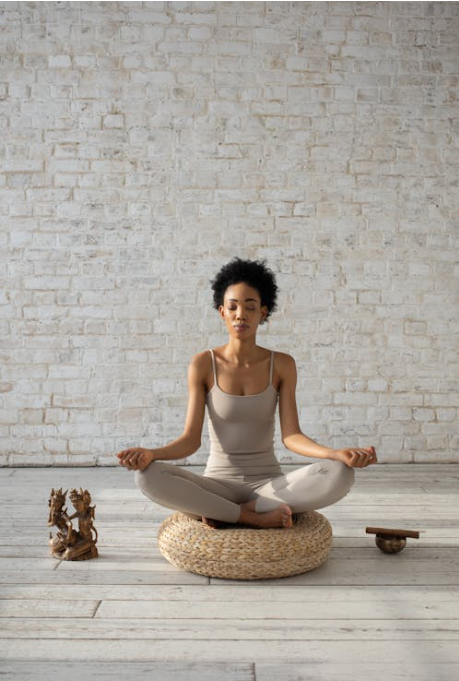
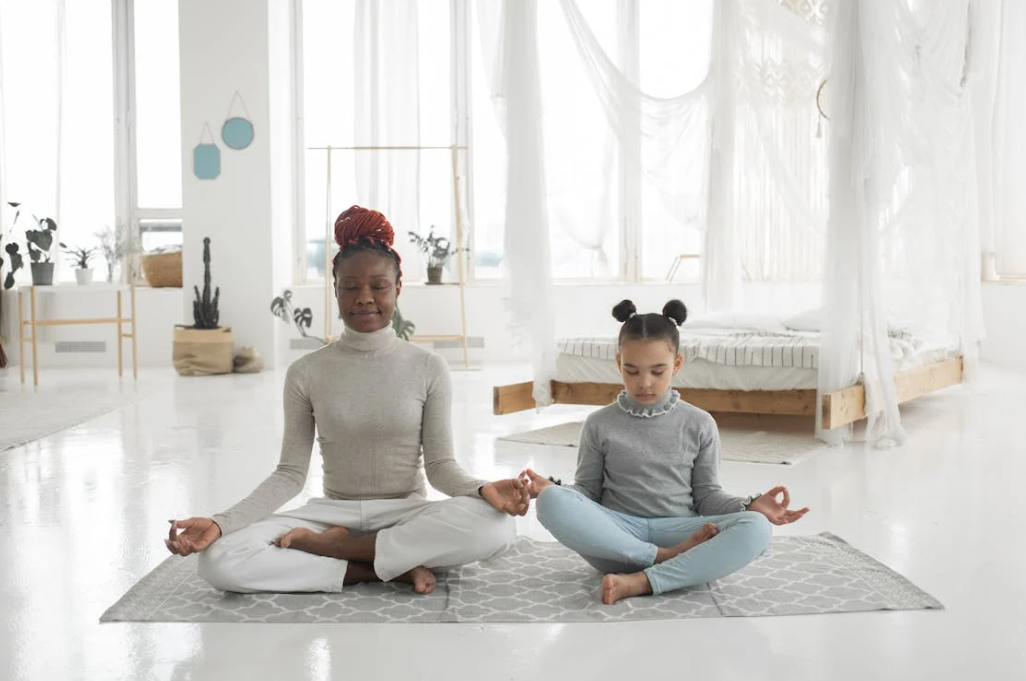
Chronic stress leads to high cortisol levels, which loves to store fat—especially around your belly. Incorporating yoga, meditation, or simple deep-breathing can seriously help.
Final Thoughts: Build Abs Smarter
Crunches are old school. If you want strong, sculpted abs that do more than look good, it’s time to go beyond the mat. Focus on full-body strength, eat to support your goals, and train smart—not endlessly. Your abs will thank you.
FAQs
1. Can I get abs without doing any ab-specific exercises?
Yes! Compound and functional movements like deadlifts and kettlebell swings engage your core deeply and effectively.
2. How long does it take to see results?
It depends on your body fat percentage, diet, and consistency. For many, 6–12 weeks of focused effort can show progress.
3. Are crunches completely useless?
Not at all—but they shouldn’t be your only exercise. They can be part of a broader routine but aren’t essential.
4. What’s the best time of day to train abs?
Whenever you’re most consistent. That said, many prefer morning for core work since it sets the tone for posture and engagement all day.
5. Can I train abs every day?
Your core needs recovery too. Aim for 3–4 days a week with intentional focus, not daily punishment.